
30-Second Summary
- Choosing the perfect tile style for your dream home is about balancing beauty, functionality, and personal taste. Rustic tiles bring warmth, natural textures, and timeless charm, while modern tiles create sleek, elegant, and spacious interiors.
- The best choice depends on your lifestyle, room requirements, maintenance preferences, and overall design vision.
- By combining the right materials, colors, sizes, and patterns, you can create a home that reflects your personality and remains stylish for years to come.
Designing a dream home is a journey of personal expression. Every choice, from wall colors to furniture styles, contributes to the atmosphere and personality of a space. Among all design elements, flooring and tiles play one of the most important roles because they create the foundation for the entire interior. The right tile style can transform an ordinary room into a welcoming retreat, a luxurious statement, or a sleek modern environment.
Today’s homeowners have endless options, ranging from rustic natural-inspired tiles to contemporary designs with bold patterns and polished finishes. Choosing the perfect tile style is not simply about selecting a beautiful product; it requires understanding your lifestyle, architectural preferences, maintenance needs, and the overall vision for your home. Whether you are renovating a traditional farmhouse, creating a modern apartment, or blending classic and contemporary elements, the right tile can bring your design dreams to life. Understanding different tile styles and how they influence a space will help you make a confident and lasting decision.
Understanding Your Home’s Design Personality
Before selecting tiles, it is important to identify the design personality you want your home to reflect. Your tile choice should complement the character of your space rather than compete with it. Rustic homes often focus on warmth, comfort, and natural beauty. These interiors usually feature earthy colors, organic textures, and materials that create a connection with nature. Tiles that resemble stone, aged wood, or handmade ceramics work beautifully in rustic settings. They add character and create a cozy atmosphere that feels timeless. Modern homes, on the other hand, often emphasize simplicity, clean lines, and minimal decoration. Large-format tiles, smooth surfaces, neutral shades, and geometric patterns are popular choices for contemporary spaces. Modern tile designs can make rooms appear larger while providing a sophisticated and uncluttered look. Many homeowners today prefer transitional design, which combines rustic charm with modern elegance. This approach allows you to mix natural textures with sleek finishes, creating a balanced and personalized interior.
The Beauty of Rustic Tile Styles
Rustic tile designs bring a sense of history and authenticity into a home. They are inspired by natural landscapes, traditional craftsmanship, and old-world architecture. These tiles are ideal for homeowners who want their spaces to feel inviting and connected to nature.
Stone-look tiles are among the most popular rustic choices. They recreate the appearance of materials such as limestone, slate, and travertine while offering the durability and easy maintenance of modern porcelain. These tiles work especially well in kitchens, bathrooms, entryways, and outdoor areas. Wood-look tiles are another excellent option for rustic interiors. They provide the warmth and appearance of hardwood while being more resistant to moisture and daily wear. This makes them suitable for areas where traditional wood flooring may not be practical.
Handcrafted or handmade-look tiles can also add personality to rustic spaces. Slight variations in texture and color create a unique appearance that feels authentic and artistic. These tiles are often used for kitchen backsplashes, bathroom tiles walls, and accent areas.
Moving Toward Modern Tile Design
Modern tile styles focus on elegance, functionality, and visual simplicity. They are designed to create spaces that feel open, organized, and stylish. Large-format tiles have become increasingly popular in modern homes. Because they have fewer grout lines, they create a seamless appearance that makes rooms feel more spacious. These tiles are often used in living rooms, kitchens, and open-concept areas where a clean visual flow is desired.
Neutral colors such as white, gray, beige, and soft earth tones are common in modern design. However, modern does not always mean plain. Many contemporary tiles feature creative patterns, textured surfaces, metallic effects, and artistic finishes that add depth without overwhelming the space. Geometric tiles are another modern favorite. They can introduce movement and visual interest through shapes such as hexagons, diamonds, and unique patterned arrangements. A carefully chosen geometric design can become a stunning focal point in an otherwise simple room.
Finding the Balance Between Rustic and Modern
Choosing between rustic and modern styles does not have to mean selecting only one direction. Many beautiful homes combine elements from both styles to create spaces that feel comfortable and current. For example, a kitchen may feature modern cabinets paired with rustic stone-look flooring. A contemporary bathroom may include sleek fixtures alongside textured handmade-style wall tiles. These combinations create contrast and make the design feel more layered.
A popular approach is to use modern tile shapes with natural-inspired finishes. This allows homeowners to enjoy the durability and clean appearance of contemporary materials while maintaining warmth and personality.
When blending styles, consistency is important. Choose colors and textures that connect different areas of the home. A consistent tile theme can help create a smooth transition from room to room.
Considering Tile Material and Durability
Style is important, but practical considerations should also guide your decision. Different rooms have different requirements, and choosing the right material ensures your tiles remain beautiful for years. Porcelain tiles are known for their strength, water resistance, and versatility. They are suitable for high-traffic areas such as hallways, kitchens, and living spaces. Ceramic tiles are another popular option, especially for walls and areas with lighter use. Natural stone tiles offer unique beauty, but they may require additional maintenance, including sealing and regular care. Homeowners who love the appearance of natural materials should consider whether they are comfortable with the upkeep involved.
For busy households, durability should be a major factor. Homes with children, pets, or heavy foot traffic benefit from scratch-resistant and easy-to-clean surfaces. The most beautiful tile is not always the best choice if it does not match your daily lifestyle.
Choosing the Right Tile Size and Pattern
Tile size can significantly influence how a room looks and feels. Large tiles can make smaller spaces appear bigger by reducing visual interruptions. Smaller tiles, meanwhile, can add detail and texture, especially in decorative areas. Patterns also play an important role in creating atmosphere. A classic layout can provide a timeless appearance, while creative arrangements can make a space feel unique.
For homeowners interested in distinctive flooring designs, options such as a picket floor tile pattern can create an eye-catching appearance. This style combines a traditional shape with modern design possibilities, allowing floors to become a feature rather than just a background element. The key is to consider the overall scale of the room. A bold pattern may look impressive in a spacious area but could feel overwhelming in a small room. Balance, proportion, and harmony are essential.
Matching Tiles With Your Lifestyle
Your home should not only look beautiful; it should also support the way you live. Tile selection should reflect your routines and preferences.
If you enjoy entertaining guests, durable and visually impressive flooring can create a welcoming environment in living rooms and dining areas. If relaxation is your priority, softer colors and natural textures can make bedrooms and bathrooms feel peaceful.
Maintenance is another important factor. Some tile finishes show dirt, water spots, or footprints more easily than others. Glossy tiles can create a luxurious appearance but may require frequent cleaning. Matte finishes often provide a more practical solution for busy households.
Outdoor spaces also require careful planning. Patio and exterior tiles should be designed to handle weather conditions and provide safe traction.
Creating a Timeless Design
Trends can be inspiring, but timeless design creates lasting value. When selecting tiles, consider whether you will still appreciate the style several years from now. Classic materials, balanced colors, and quality craftsmanship often remain attractive over time. While trendy patterns can add personality, they are best used thoughtfully in smaller areas where they can be changed more easily. A timeless approach does not mean choosing boring designs. It means creating a foundation that allows your personal style to evolve. Neutral flooring can be refreshed with new furniture, artwork, and accessories without requiring a complete renovation.
The Importance of Professional Planning
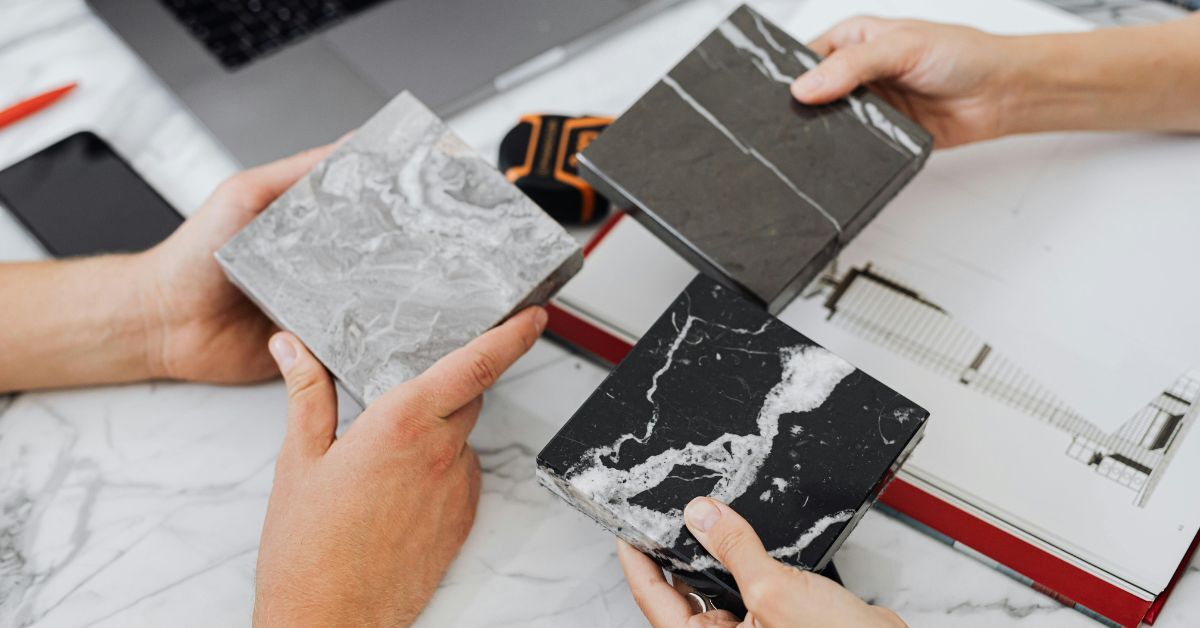
Choosing tiles is an exciting process, but professional guidance can make it easier. Designers and experienced tile specialists can help you understand installation requirements, material differences, and design possibilities. Before making a final decision, always view tile samples in your actual space. Lighting conditions can dramatically change how colors and textures appear. A tile that looks perfect in a showroom may look different under natural or artificial lighting at home. Consider creating a complete design plan that includes flooring, walls, cabinetry, countertops, and furniture. This ensures that every element works together.
Conclusion
From rustic charm to modern sophistication, tile styles offer endless opportunities to personalize your dream home. The perfect tile is not simply the one that looks attractive; it is the one that fits your lifestyle, complements your architecture, and creates the atmosphere you want to experience every day.
Whether you prefer the warmth of natural textures, the elegance of contemporary finishes, or a combination of both, thoughtful tile selection can completely transform your living spaces. By considering design style, durability, maintenance, size, and long-term appeal, you can choose tiles that enhance your home for years to come. Your dream home begins with the details, and the right tile style can become the foundation of a space that feels beautiful, functional, and uniquely yours.