
30 seconds summary
- In dry climates, the air lacks moisture, which can irritate your nose, throat, and lungs. Using a humidifier adds moisture back into the air, helping to relieve dry cough, sinus congestion, sore throat, and nosebleeds.
- It also keeps airways hydrated, making it easier to breathe, especially for people with asthma, allergies, or colds.
- Proper humidity (around 30–50%) can reduce irritation, improve sleep, and support overall respiratory comfort. Just be sure to clean the humidifier regularly to prevent mold and bacteria buildup.
Dry climates, whether naturally arid regions or indoor environments made dry by heating and air conditioning can take a significant toll on respiratory health. When humidity levels drop, the air pulls moisture from your skin, nasal passages, throat, and lungs. This can lead to irritation, inflammation, and increased susceptibility to infections.
An air humidifier offers a simple yet powerful solution: restoring moisture to indoor air and helping your respiratory system function optimally. Below is a comprehensive exploration of how humidifiers support respiratory health, particularly in dry climates.
Understanding Dry Air and Its Impact on the Respiratory System
Before examining the benefits of humidifiers, it’s important to understand how dry air affects the body.
1. Dry Nasal Passages
The nose acts as the body’s first line of defense against airborne irritants. It filters, warms, and moistens inhaled air before it reaches the lungs. In dry climates:
- The nasal lining becomes dry and cracked
- Mucus thickens and becomes less effective
- Nosebleeds become more common
- Irritation and inflammation increase
When the nasal passages dry out, they lose efficiency in trapping dust, allergens, and pathogens.
2. Throat Irritation and Cough
Dry air often leads to a persistent dry cough. Without adequate humidity:
- The throat becomes irritated
- Vocal cords may strain
- Postnasal drip thickens
- Nighttime coughing increases
This is especially noticeable during winter months when heating systems further reduce indoor humidity.
3. Compromised Lung Function
The lungs rely on moist airways to move mucus and trap harmful particles. In dry conditions:
- Airway inflammation increases
- Asthma symptoms may worsen
- Bronchial tubes may constrict
- Mucus clearance slows
Over time, chronic exposure to dry air can exacerbate respiratory conditions.
What Is an Air Humidifier?
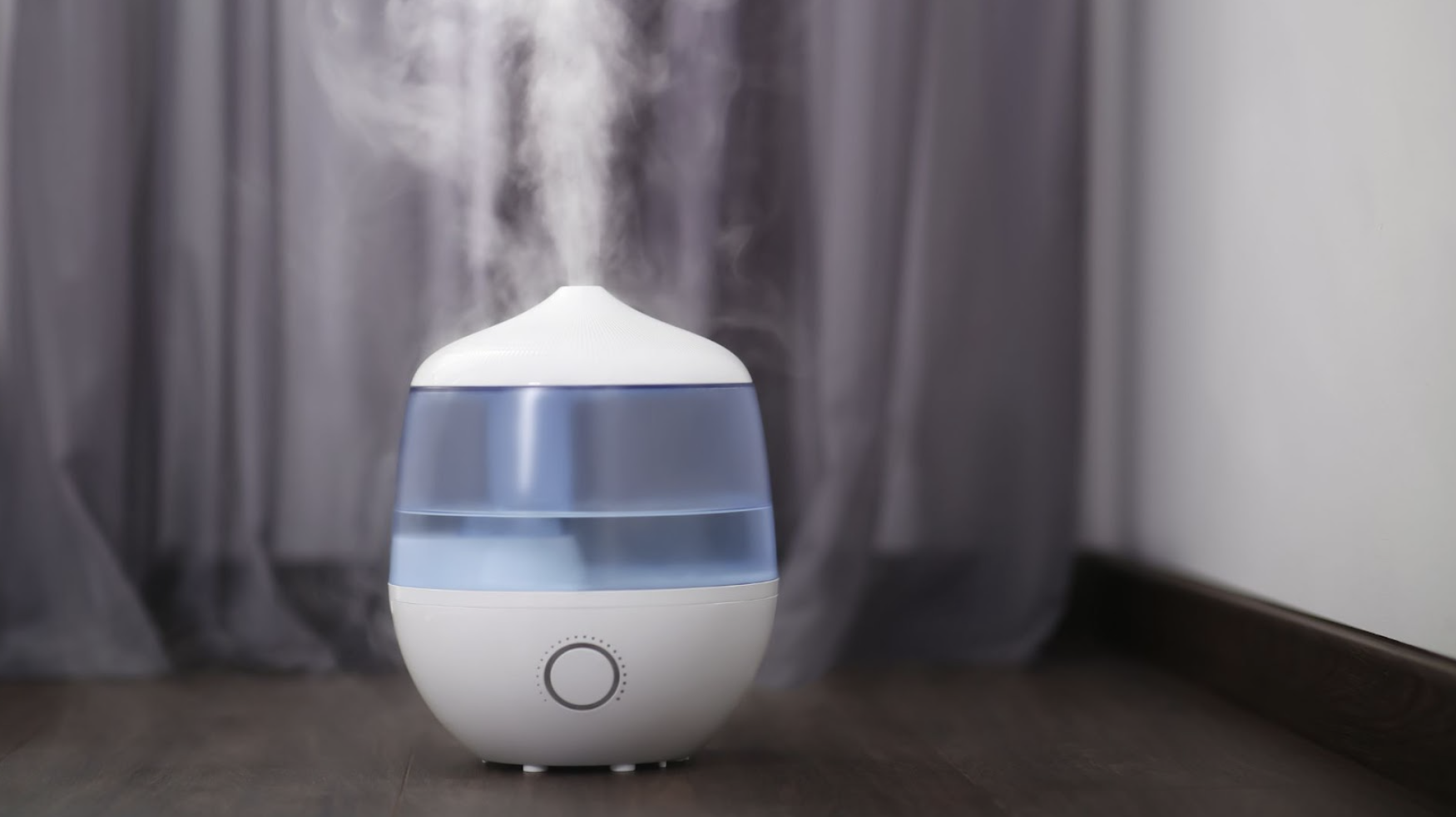
An air humidifier is a device that increases moisture in indoor air. There are several types:
- Cool mist humidifiers – Use evaporation or ultrasonic vibration to release cool moisture
- Warm mist humidifiers – Boil water to produce steam
- Ultrasonic humidifiers – Use high-frequency vibrations to create fine mist
- Evaporative humidifiers – Use a fan and wick filter to disperse moisture
Each type has advantages, but all serve the same essential function: maintaining healthy humidity levels, ideally between 30% and 50%.
Key Respiratory Benefits of Humidifiers in Dry Climates
Preventing Dry Nasal Passages
One of the most immediate benefits of using a humidifier is relief from nasal dryness.
Proper humidity helps:
- Keep nasal tissues hydrated
- Reduce nosebleeds
- Improve mucus consistency
- Enhance natural filtration of pollutants
Moist air allows mucus to remain thin and mobile, enabling it to trap and remove irritants effectively.
Reducing Sinus Congestion
Dry air thickens mucus in the sinuses, making drainage difficult. This can cause:
- Facial pressure
- Headaches
- Blocked sinuses
- Increased infection risk
Humidifiers add moisture that thins mucus, improving sinus drainage and reducing discomfort.
For individuals prone to sinus infections, maintaining proper humidity can significantly lower recurrence rates.
Relieving Chronic Cough
Persistent dry cough is common in arid environments and during winter heating season.
Humidifiers help by:
- Moistening irritated throat tissues
- Reducing tickling sensations
- Soothing inflamed airways
- Minimizing nighttime coughing
Moist air reduces the friction caused by breathing dry air, which often triggers coughing fits.
Supporting Asthma Management
People with asthma are particularly sensitive to air quality and humidity levels.
Dry air can:
- Trigger bronchial spasms
- Increase airway inflammation
- Intensify wheezing
Maintaining optimal humidity can help stabilize airway sensitivity. While humidifiers are not a substitute for medical treatment, they may reduce environmental triggers when used properly.
It is essential, however, to avoid excessive humidity, as high moisture can promote mold growth, another asthma trigger.
Improving Sleep Quality
Respiratory discomfort often disrupts sleep.
Symptoms like:
- Dry throat
- Nighttime coughing
- Nasal blockage
- Snoring
Can significantly impact rest.
Humidified air keeps airways moist, reducing irritation and improving airflow during sleep. This can lead to:
- Fewer awakenings
- Less snoring
- More restorative sleep
Better sleep further supports immune health and overall respiratory resilience.
Enhancing Mucociliary Clearance
The respiratory system uses tiny hair-like structures called cilia to move mucus and trapped particles out of the airways.
In dry air:
- Cilia slow down
- Mucus thickens
- Pathogens remain longer in the system
Humidifiers maintain the moisture balance necessary for efficient mucociliary clearance, helping the body defend itself naturally.
Reducing Risk of Respiratory Infections
Dry conditions can increase susceptibility to respiratory infections.
Low humidity:
- Weakens mucosal barriers
- Allows viruses to remain airborne longer
- Reduces immune response efficiency
Studies have shown that moderate humidity levels may reduce the transmission of certain respiratory viruses by supporting healthy mucous membranes.
By keeping airways moist, humidifiers help maintain the body’s first line of defense against pathogens.
Alleviating Allergies
Although humidity does not eliminate allergens, it can reduce irritation caused by dry air.
Humidifiers can:
- Soothe inflamed nasal passages
- Improve mucus movement
- Reduce allergy-related coughing
However, humidity should not exceed 50%, as excessive moisture may promote dust mites and mold.
Preventing Dry Mouth and Throat
Breathing through the mouth during sleep is common in dry climates.
This can result in:
- Dry mouth
- Cracked lips
- Sore throat
Humidified air reduces moisture loss and keeps oral tissues hydrated.
Protecting Vocal Health
People who use their voice extensively, teachers, singers, speakers—are especially vulnerable to dry air.
Humidifiers:
- Keep vocal cords lubricated
- Reduce strain
- Minimize hoarseness
Hydrated vocal tissues are less prone to inflammation and injury.
The Science Behind Optimal Indoor Humidity
The recommended indoor humidity level for respiratory health is typically between 30% and 50%.
Below 30%:
- Air becomes excessively dry
- Respiratory irritation increases
- Static electricity rises
Above 50%:
- Mold growth risk increases
- Dust mites thrive
- Air feels heavy and uncomfortable
Using a hygrometer alongside a humidifier ensures balanced moisture levels.
Special Considerations in Dry Climates
Regions such as deserts or high-altitude areas naturally have low humidity.
Examples include:
- Phoenix
- Denver
- Riyadh
Residents in these areas often experience:
- Chronic sinus dryness
- Frequent nosebleeds
- Irritated throats
- Increased respiratory sensitivity
In such climates, humidifiers are not merely seasonal tools but year-round necessities.
Humidifiers for Children and Infants
Children are especially vulnerable to dry air because:
- Their airways are smaller
- They dehydrate faster
- They are more prone to respiratory infections
Humidifiers can help relieve:
- Croup symptoms
- Nasal congestion
- Cold-related coughing
Cool mist humidifiers are generally recommended for safety in nurseries.
Psychological and Comfort Benefits
Although primarily associated with physical health, proper humidity also enhances overall comfort.
Dry air can cause:
- Headaches
- Fatigue
- Eye irritation
Comfortable humidity supports relaxation, stress reduction, and improved well-being factors indirectly linked to respiratory health.
Maintenance and Safe Use
While humidifiers offer significant benefits, improper maintenance can create problems.
Best Practices:
- Use distilled or demineralized water
- Clean the tank daily
- Disinfect weekly
- Replace filters as recommended
- Monitor humidity levels
Poor maintenance may allow mold and bacteria to grow, potentially worsening respiratory conditions.
Comparing Humidifiers and Other Air Solutions
Humidifiers are often confused with other air devices:
- Air purifiers remove particles
- Dehumidifiers reduce moisture
- Ventilation systems circulate air
For dry climates, humidifiers specifically address moisture deficiency.
In some cases, combining a humidifier with an air purifier provides optimal indoor air quality.
Seasonal Benefits
Even in non-arid regions, winter heating systems significantly dry indoor air.
Humidifiers can:
- Counteract forced-air heating dryness
- Reduce cold-related irritation
- Support immune defense during flu season
They become especially valuable when indoor heating runs continuously.
Long-Term Respiratory Protection
Consistent exposure to overly dry air can contribute to chronic respiratory irritation. Over time, this may:
- Increase inflammation
- Heighten allergy sensitivity
- Worsen pre-existing conditions
Maintaining stable indoor humidity supports long-term respiratory resilience.
Conclusion
In dry climates, maintaining proper indoor humidity is not merely a comfort issue—it is a critical component of respiratory health. An air humidifier helps protect the nasal passages, sinuses, throat, and lungs from the harmful effects of dry air.
Key benefits include:
- Reduced nasal and throat irritation
- Improved sinus drainage
- Lower risk of respiratory infections
- Better asthma symptom control
- Enhanced sleep quality
- Stronger natural airway defenses
By maintaining indoor humidity between 30% and 50%, individuals can significantly reduce respiratory discomfort and promote overall well-being.