
30 seconds summary
- Cladding is a versatile and durable solution for enhancing outdoor spaces, offering both protection and aesthetic appeal. It acts as a weather-resistant layer, safeguarding surfaces from damage caused by elements like rain, wind, and UV rays.
- Available in materials like wood, metal, stone, and composite, cladding provides a variety of design options to match any style.
- Its low-maintenance nature makes it ideal for busy homeowners, while also contributing to sustainability when made from recycled or eco-friendly materials. Ultimately, cladding elevates outdoor spaces by combining form, function, and long-lasting durability.
In recent years, outdoor spaces have evolved into more than just backyards or gardens; they have become integral extensions of our homes. Whether it’s a patio, deck, garden wall, or the exterior of a building, homeowners and designers alike are looking for ways to enhance the functionality and aesthetics of these spaces. One key element that can transform an outdoor area is cladding. This versatile material is increasingly being used in a variety of settings to not only boost visual appeal but also provide durability and ease of maintenance.
Cladding, which refers to the process of layering one material over another, has long been used in architecture for both its protective and decorative properties. While traditionally associated with interior wall coverings, cladding has found its place in the outdoor realm, serving as an ideal solution for exterior surfaces. From residential homes to commercial properties, the use of durable, low-maintenance cladding has grown significantly as people seek to create stylish, functional, and weather-resistant outdoor spaces. This article will explore how outdoor cladding solutions can elevate spaces by combining form and function.
The Role of Cladding in Outdoor Spaces
Outdoor spaces, especially those exposed to the elements, face a unique set of challenges. These include fluctuating temperatures, humidity, rainfall, and even extreme weather events such as storms. As a result, the materials used in these spaces need to be resilient enough to withstand the constant wear and tear of outdoor conditions. Cladding serves as an excellent solution to these challenges by acting as a protective layer over walls, fences, and other structures.
In addition to protection, cladding provides a way to add an aesthetic dimension to outdoor areas. The variety of materials available, from natural stone and wood to metal and composite materials, means there is something to suit every design preference. Whether aiming for a rustic, natural look or a sleek, modern finish, cladding offers a customizable option to match any vision for the space.
Durability: The Key to Outdoor Cladding
The primary factor driving the popularity of cladding in outdoor spaces is its durability. Unlike traditional paint or wallpaper, which may peel, fade, or become damaged over time when exposed to the elements, cladding is designed to withstand the rigors of outdoor environments. Many cladding materials are weather-resistant, ensuring they remain intact and functional for years.
Wooden cladding, for instance, is often treated with preservatives and finishes that enhance its ability to resist moisture, rot, and insects, while still allowing it to retain its natural beauty. Similarly, composite materials made from a blend of wood fibers and plastic offer the warmth and appearance of wood but with added protection against decay, fading, and warping.
Metal cladding, such as aluminum or steel, is renowned for its resistance to rust and corrosion, making it an ideal choice for coastal areas where saltwater can accelerate deterioration. Stone cladding, whether natural or manufactured, provides an inherently durable option for creating striking facades that can stand the test of time. Furthermore, cladding made from fiber cement, an incredibly durable material, offers resistance to cracking, swelling, and fire, ensuring long-term performance even in the harshest conditions.
Low-Maintenance Appeal
One of the most compelling reasons to choose cladding for outdoor spaces is its low-maintenance nature. When properly installed, cladding requires minimal upkeep, allowing homeowners and property managers to enjoy their outdoor spaces without constantly worrying about maintenance tasks.
For example, while wood cladding may need occasional sealing or staining to maintain its appearance, it is far easier to care for than traditional wooden fences or decks, which can require frequent repairs, sanding, or painting. Composite cladding solutions are even more low-maintenance, as they typically require no staining or painting at all. These materials are designed to resist fading, scratching, and staining, making them perfect for high-traffic areas like patios or garden walls.
Similarly, metal and stone cladding often only require an occasional cleaning to maintain their appearance. Unlike painted surfaces, which can chip or fade over time, these materials retain their color and texture for longer, reducing the frequency of maintenance. As a result, homeowners can spend more time enjoying their outdoor spaces and less time worrying about upkeep.
Aesthetic Versatility of Cladding
Beyond its functional benefits, cladding provides an exceptional range of aesthetic possibilities for outdoor spaces. Whether you are seeking a contemporary, industrial look or a more rustic, natural feel, cladding offers a diverse array of materials, colors, and finishes to choose from. The flexibility in design options is one of the key reasons why cladding has become such a popular choice for exterior spaces.
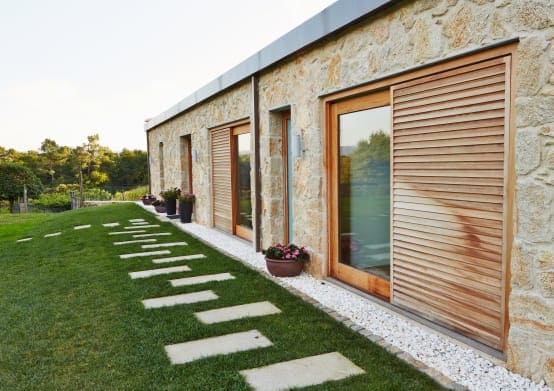
Wooden cladding is perhaps the most widely recognized and sought-after material for creating warmth and character in outdoor areas. With its natural grains and tones, wood brings an organic beauty that can complement both traditional and modern architectural styles. It can be left untreated for a more weathered look or finished to preserve its fresh appearance. Additionally, wood cladding can be paired with other materials, such as stone or metal, to create striking contrasts and textures.
For those who prefer a more modern, industrial aesthetic, metal cladding offers a sleek, minimalist option. Aluminum or steel cladding can create a clean, uniform look that works well with contemporary designs. With a variety of finishes, from matte to gloss, metal cladding can be adapted to match any desired aesthetic. Moreover, its versatility in terms of shape and form allows it to be used in both large-scale installations and smaller accents, such as outdoor furniture or garden walls.
Stone cladding offers a timeless and luxurious look that can elevate any outdoor space. Available in a variety of colors and textures, stone can be used to create bold statements or subtle, refined facades. Whether you choose natural stone for its raw, earthy appeal or manufactured stone for a more uniform look, this material adds a sense of permanence and elegance to outdoor spaces.
Composite cladding, which combines the best of both wood and plastic, has become increasingly popular in recent years. It combines the aesthetic qualities of wood with the durability and low-maintenance advantages of synthetic materials. Composite cladding comes in various colors and finishes, allowing it to mimic the appearance of natural wood or stone. As such, it offers flexibility for homeowners looking to achieve specific looks without compromising on durability.
Environmental Benefits of Cladding
In addition to its aesthetic and functional advantages, many cladding materials also offer environmental benefits. For those interested in sustainability, several cladding options are made from recycled or recyclable materials. Composite cladding, for example, often uses recycled wood fibers and plastics, helping to reduce the environmental impact associated with the extraction of raw materials.
Wood, when sourced sustainably, is a renewable resource that contributes to a lower carbon footprint compared to other building materials. Moreover, many manufacturers of wood cladding adhere to certifications such as FSC (Forest Stewardship Council), ensuring that the wood is harvested responsibly and with minimal impact on ecosystems.
Stone cladding, when sourced locally, can also help reduce transportation costs and emissions. Additionally, many stone cladding options are produced using natural methods that require little energy, making it an environmentally friendly choice for those looking to create eco-conscious outdoor spaces.
Cladding and Protection Against the Elements
One of the primary functions of cladding is to protect the underlying structure from the elements. In outdoor spaces, exposure to weather can lead to the deterioration of surfaces over time, especially if they are not properly protected. Cladding acts as a barrier against rain, wind, UV rays, and temperature fluctuations, which can all contribute to the wear and tear of exposed surfaces.
For example, wood cladding can help shield underlying walls from moisture, preventing water from penetrating and causing damage such as mold or rot. Similarly, metal cladding offers protection from rust and corrosion, ensuring that the structure remains intact even in humid or salty environments.
In areas where fire resistance is a concern, cladding materials like fiber cement can offer an added layer of protection. Fiber cement is non-combustible and resistant to heat, making it a valuable option for homes located in areas prone to wildfires or extreme heat.
Cladding as a Tool for Enhancing Privacy and Functionality
In addition to enhancing the visual appeal of outdoor spaces, cladding can be used strategically to improve privacy and functionality. For instance, garden walls or fences constructed with cladding materials can act as privacy screens, protecting outdoor areas from prying eyes and providing a sense of seclusion.
Cladding can also be employed to create functional outdoor features, such as built-in seating, storage, or even outdoor kitchens. The versatility of cladding allows it to be used creatively in the design of custom-built features that enhance the usability and enjoyment of outdoor spaces.
Conclusion
Outdoor spaces have become extensions of our homes, and the materials used in their design are pivotal in shaping their functionality and aesthetics. Cladding has emerged as a solution that elevates outdoor environments by providing durable, low-maintenance, and aesthetically versatile options. With its ability to withstand harsh weather, protect structures from the elements, and offer a wide array of design possibilities, cladding is an invaluable asset in the creation of outdoor spaces that are both beautiful and practical.
As homeowners continue to prioritize durability, ease of maintenance, and sustainability in their outdoor design choices, cladding offers a practical and stylish solution that ticks all the boxes. Whether using wood, metal, stone, or composite materials, cladding can transform any outdoor space into a stunning, long-lasting retreat that enhances both the home and the surrounding environment.