
30 seconds summary
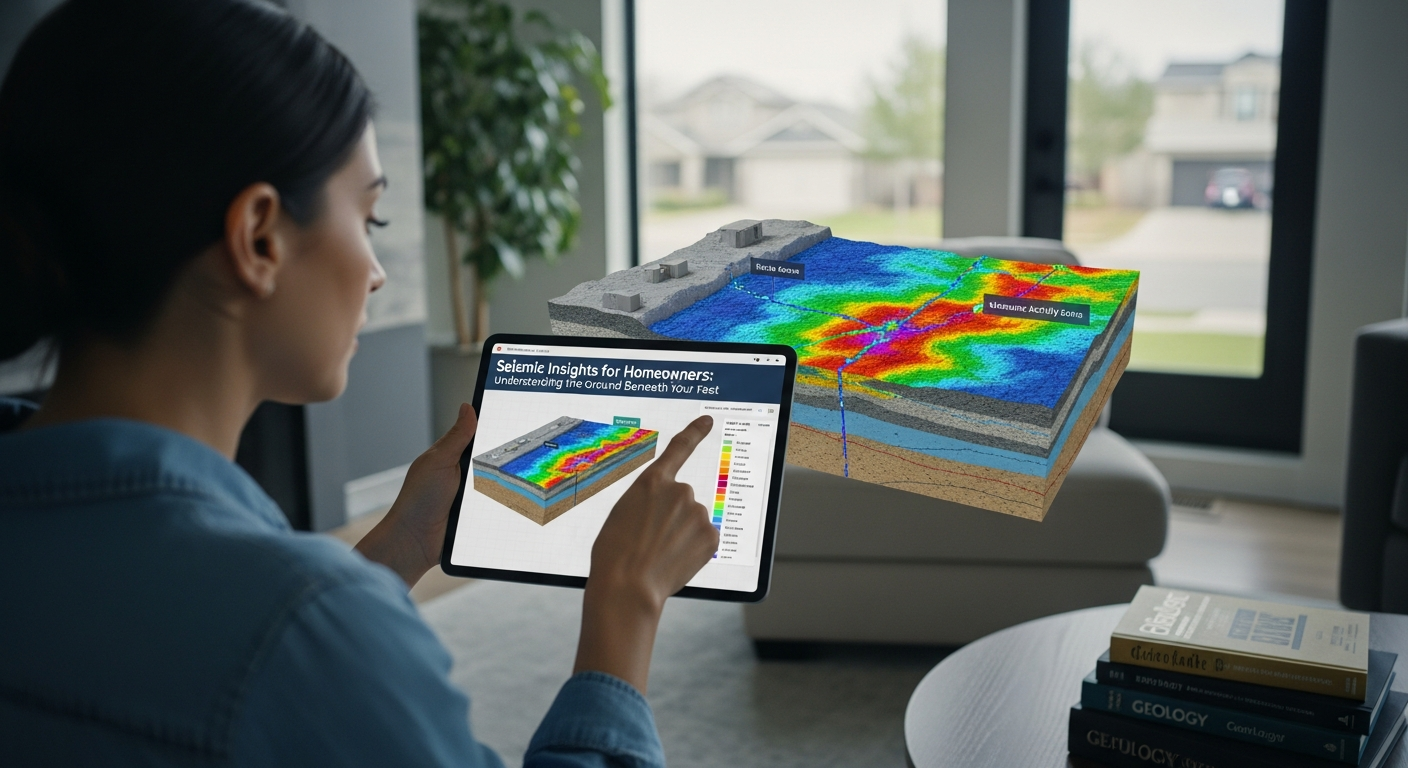
- “Seismic Insights for Homeowners: Understanding the Ground Beneath Your Feet” helps homeowners grasp the impact of seismic activity on their properties.
- It covers the importance of assessing the ground’s stability, understanding fault lines, and how soil type can influence earthquake risk.
- The guide emphasizes the need for structural reinforcement to mitigate damage from seismic events and educates homeowners on preparing for potential quakes by retrofitting homes, securing loose objects, and maintaining emergency plans. It’s crucial for protecting homes and ensuring safety during earthquakes.
When we think about our homes, we often focus on the structure, the design, the comfort, and the aesthetic qualities that make our living spaces unique. However, one often-overlooked aspect is the ground beneath our feet. The soil and rock formations beneath our homes play a crucial role in determining the safety, stability, and long-term health of our properties. This is where seismic data processing and imaging services come into play. These specialized services can provide homeowners with valuable insights into the ground conditions below their homes, helping them make informed decisions about construction, renovation, and even safety.
In this comprehensive guide, we will explore how seismic data processing and imaging services work, the importance of seismic insights for homeowners, and how understanding the ground beneath your feet can help ensure the safety and longevity of your property. We will cover the various types of seismic data, how they are collected and analyzed, and the benefits of using seismic insights for homeowners, especially when it comes to areas prone to earthquakes, soil instability, or other geological hazards.
1. What is Seismic Data?
Seismic data refers to the information gathered from seismic waves that travel through the Earth’s subsurface. These waves are typically generated by natural events, such as earthquakes, or artificial sources, such as explosions or specialized seismic vibrators used in exploration. The data provides a snapshot of the subsurface conditions by recording the time it takes for seismic waves to travel through different materials, and the way in which they are reflected back to the surface.
There are two main types of seismic waves:
- Primary (P) Waves: These are the fastest seismic waves, traveling through both solids and liquids. They are the first to be detected by seismic instruments and can provide valuable information about the general properties of the subsurface.
- Secondary (S) Waves: These waves move more slowly than P waves and can only travel through solids. They provide more detailed information about the composition and behavior of the materials beneath the surface.
The combination of these waves, along with other factors such as the depth, material properties, and density of the layers, allows seismic data to create an image of the Earth’s subsurface. These images are then analyzed to identify different layers of soil, rock, and other geological features.
2. Seismic Data Processing and Imaging Services
Seismic data processing and imaging are essential tools for creating accurate and detailed representations of subsurface conditions. These services use advanced technology to capture seismic waves, process the raw data, and generate images or models of the ground beneath a given area.
Data Collection
The first step in seismic data processing is the collection of seismic data. This can be done through a variety of methods, depending on the type of seismic survey being conducted. In the case of homeowners, the most common methods for collecting seismic data include:
- Active Seismic Surveys: In these surveys, a controlled energy source (such as a small explosive charge or a seismic vibrator) is used to generate seismic waves. These waves are then recorded by sensors placed at various points around the property. The data collected can be used to create a detailed map of the subsurface layers.
- Passive Seismic Surveys: Passive seismic surveys use naturally occurring seismic waves, such as those caused by distant earthquakes or nearby industrial activity. These waves are recorded by seismometers placed on the property. While passive surveys are generally less detailed than active surveys, they can still provide valuable information about the ground conditions.
Data Processing
Once the seismic data is collected, it undergoes a series of processing steps. The raw data is often noisy and contains errors due to various factors such as environmental interference or equipment limitations. Processing the data involves cleaning it, removing noise, and correcting for errors. The goal is to enhance the quality of the data and extract as much useful information as possible.
Processing techniques include:
- Filtering: Removing unwanted noise from the data to improve clarity.
- Time-to-depth conversion: Converting the time it takes for seismic waves to travel to their destination into depth measurements.
- Velocity analysis: Estimating the speed at which seismic waves travel through different subsurface materials.
- Migration: Correcting for the effects of seismic waves bending or refracting as they pass through different layers.
Imaging and Interpretation
The final step in seismic data processing is imaging, which involves creating a visual representation of the subsurface. These images can take the form of two-dimensional (2D) cross-sections, three-dimensional (3D) models, or even virtual reality (VR) renderings of the ground beneath a property.
Seismic images allow geologists and engineers to visualize the different layers of soil, rock, and water beneath the surface. These images can also identify potential hazards, such as faults, gas pockets, or unstable soils. In addition to providing a clearer picture of subsurface conditions, seismic data can also be used to create detailed geotechnical reports that can guide construction and renovation decisions.
3. Importance of Seismic Insights for Homeowners
Understanding the ground beneath your feet is essential for homeowners, especially those living in areas with a history of seismic activity or unstable soil conditions. Seismic insights can provide valuable information that helps homeowners make informed decisions about the safety, stability, and long-term durability of their homes. Below, we explore some of the key benefits of seismic insights for homeowners.
A. Earthquake Risk Assessment
In areas prone to earthquakes, seismic data can be used to assess the potential risks to a home. Understanding the local geology and the behavior of seismic waves can help homeowners determine whether their property is located near active fault lines or other sources of seismic activity. This information can be crucial for earthquake preparedness and ensuring that a home is built to withstand seismic events.
For example, if seismic data reveals that a property is located in a region with soft or unconsolidated soils, the home may be at greater risk of damage during an earthquake. In such cases, seismic insights can inform homeowners about necessary structural reinforcements, such as foundation upgrades or seismic retrofitting.
B. Soil Stability and Foundation Design
Seismic data is invaluable for assessing soil stability, particularly in areas with loose, expansive, or poorly compacted soils. Soil stability is a critical factor in determining whether a home’s foundation will remain intact over time. For example, certain types of soil, such as clay or loose sand, can be prone to shifting or settling, leading to foundation cracks, uneven floors, and other structural issues.
By using seismic data, homeowners can obtain detailed information about the soil conditions beneath their property. This information can be used to design foundations that are better suited to the specific conditions of the land, ensuring that the home remains stable over the long term.
C. Groundwater and Soil Composition
Seismic imaging can also provide insights into the composition of the soil and the presence of groundwater. For example, seismic data can identify areas where groundwater may be accumulating beneath the surface, which can lead to issues like soil erosion, flooding, or increased pressure on the foundation.
Understanding the soil composition is also essential for homeowners looking to undertake landscaping or construction projects, such as installing drainage systems, building basements, or digging foundations. Seismic insights can help identify areas where soil may be more prone to shifting or where special considerations need to be made to prevent erosion or flooding.
D. Identifying Geological Hazards
Seismic data can help identify other geological hazards, such as sinkholes, landslides, or gas pockets, that may pose a risk to a home. For example, seismic surveys can detect fractures or faults in the ground, which may indicate that a property is located near an unstable region prone to landslides or other ground movements. In such cases, seismic data can help homeowners avoid potential risks by providing information about safe construction practices or areas to avoid altogether.
E. Home Insurance and Property Value
In some regions, insurance companies may require seismic data before issuing coverage for earthquake or ground-related risks. Having a detailed seismic report can help homeowners secure insurance coverage that properly reflects the true risks to their property. Furthermore, understanding the seismic conditions of a property can influence its market value. Homes with seismic insights indicating a lower risk of damage or ground instability may be more desirable and thus have a higher resale value.
4. How to Use Seismic Data for Your Home
If you’re considering using seismic data to better understand the ground beneath your feet, here are some practical steps:
- Hire a Seismic Survey Company: Many companies specialize in seismic surveys and can perform the necessary tests to gather data on your property. Be sure to work with professionals who have experience in both residential and geotechnical surveys.
- Review Seismic Reports: Once the seismic data has been processed and analyzed, review the results with a geotechnical engineer or a structural engineer. They can help you understand the implications of the data and offer guidance on any necessary repairs or improvements.
- Plan for the Future: Use seismic insights to inform long-term planning for your home. Whether you’re building a new structure, renovating, or considering seismic retrofitting, the information gathered can guide your decisions and ensure your home remains safe and stable.
Conclusion
Seismic data processing and imaging services provide homeowners with essential insights into the ground beneath their homes. Understanding the geological conditions below your property is crucial for assessing risks, planning construction, and ensuring the safety and longevity of your home. By utilizing seismic insights, homeowners can better prepare for potential hazards, make informed decisions about foundation design, and improve the overall stability of their homes.
Whether you’re concerned about earthquake risks, soil stability, or other geological factors, seismic data provides a valuable tool for understanding and addressing the ground beneath your feet. With the right information and expert guidance, homeowners can ensure that their properties remain safe, secure, and resilient for years to come.
 homeglobepro