
30 seconds summary
- Choosing the right lighting control system for your dream home can enhance both functionality and ambiance. Whether you opt for basic control switches, dimmers, motion sensors, or advanced smart lighting systems, the ideal system should match your home’s needs, energy efficiency goals, and personal preferences.
- Consider factors like room functionality, ease of use, energy savings, and scalability. Smart systems offer the most flexibility, allowing you to control lighting remotely, while manual systems are perfect for simpler setups.
- Ultimately, a well-chosen lighting control system improves comfort, convenience, and aesthetic appeal in your home.
Lighting plays an essential role in setting the tone and atmosphere of a home. Whether it’s a cozy, ambient setting for a relaxing evening or bright, efficient lighting for working, the way light is managed in your home can significantly affect your daily life. One of the most innovative ways to control and personalize the lighting in your home is through lighting control systems. These systems allow you to adjust the intensity, color, and mood of the lighting with ease, creating an environment that suits your needs.
When designing your dream home, the right lighting control system can elevate your living space, offering convenience, energy efficiency, and aesthetic appeal. With so many options available, choosing the right system can be daunting. However, understanding the different types of systems, features, and key factors that influence your choice can help you make an informed decision.
Understanding Lighting Control Systems
A lighting control system is a network of devices that allows you to manage your home’s lighting in a centralized or automated manner. These systems include control switches, sensors, dimmers, timers, and smart devices that offer varying levels of convenience and functionality. Depending on the complexity and features, lighting control systems can range from simple wall-mounted dimmers to advanced smart home setups that control everything from lighting intensity to color temperature, all through an app or voice commands.
There are several types of lighting control systems available today:
- Manual Control Systems: These are the simplest form of lighting control, consisting of control switches and dimmers that let you adjust the lighting manually. While these systems are basic, they offer ease of use and are ideal for smaller homes or budget-conscious buyers.
- Automated Lighting Systems: These systems go beyond manual control, utilizing motion sensors, timers, and smart technology to adjust the lights automatically based on time of day, presence, or activity. They are ideal for homeowners looking for convenience and energy efficiency.
- Smart Lighting Control Systems: These advanced systems integrate with your home’s Wi-Fi or other networks, enabling remote control via apps, voice assistants (like Alexa or Google Assistant), and even automation features. Smart lighting can include everything from adjusting the brightness and color of your lights to setting up personalized scenes or schedules.
Each of these systems has its own advantages, and the right choice for you will depend on your home’s needs, your personal preferences, and your budget.
Consider Your Lighting Needs
Before selecting a lighting control system, it’s important to assess your specific needs and the lifestyle you want to create in your dream home. Some factors to consider include:
Room Functionality
Different rooms in your home will likely require different lighting solutions. For example, the kitchen and home office require bright, focused lighting for tasks, while the living room or bedroom benefits from softer, more ambient light for relaxation. A flexible lighting control system allows you to adjust the lighting according to the function of the space. For this reason, a system with adjustable dimmers and programmable settings is particularly useful.
Ease of Use
Think about who will be using the lighting control system. If you have children or elderly family members, the system should be intuitive and easy to use. This is where control switches come in, they should be simple enough to operate by anyone in the household. For more tech-savvy individuals, a system with a mobile app and voice control might be more suitable.
Aesthetic Appeal
Lighting can also be a key part of your home’s design and decor. A sophisticated lighting control system can add an element of luxury, whether it’s through hidden control panels, sleek dimmer switches, or automated lighting that responds to voice commands. The aesthetic of the lighting system itself, in addition to the light it provides, will contribute to the overall ambiance of your home.
Energy Efficiency
Lighting is one of the largest energy consumers in any household. A well-chosen lighting control system can help reduce energy consumption, lowering your utility bills and minimizing your environmental impact. Automated lighting systems that use motion sensors, timers, and dimming functions can ensure lights are only on when necessary, preventing waste.
Types of Lighting Control Systems
There are several types of lighting control systems that can be used in a modern home. Understanding the features and benefits of each type will help you select the one that best fits your needs.
Dimmer Switches
Dimmer switches are one of the most common forms of lighting control, and they can be installed on any standard light fixture. With a dimmer, you can adjust the brightness of the lights based on your needs, whether it’s a bright light for work or a softer light for entertainment. Dimmer switches can be manual or electronic and can provide a simple yet effective solution for controlling the mood and functionality of a room.
Motion Sensors
Motion sensor lighting systems are designed to detect movement within a room and turn the lights on automatically when someone enters. These systems are ideal for spaces like hallways, bathrooms, or closets, where you don’t want to fumble for a switch in the dark. They also help save energy by ensuring lights are only on when needed.
Timers and Schedules
Many lighting control systems allow you to set timers or schedules for your lights. This feature can be incredibly useful for automating your lighting to turn on and off at specific times. For instance, you can set your exterior lights to turn on at dusk and off at dawn, or program your interior lights to come on when you’re expected to arrive home. Timers are ideal for homes that need a bit of automation but don’t require full integration with a smart home system.
Smart Lighting Systems
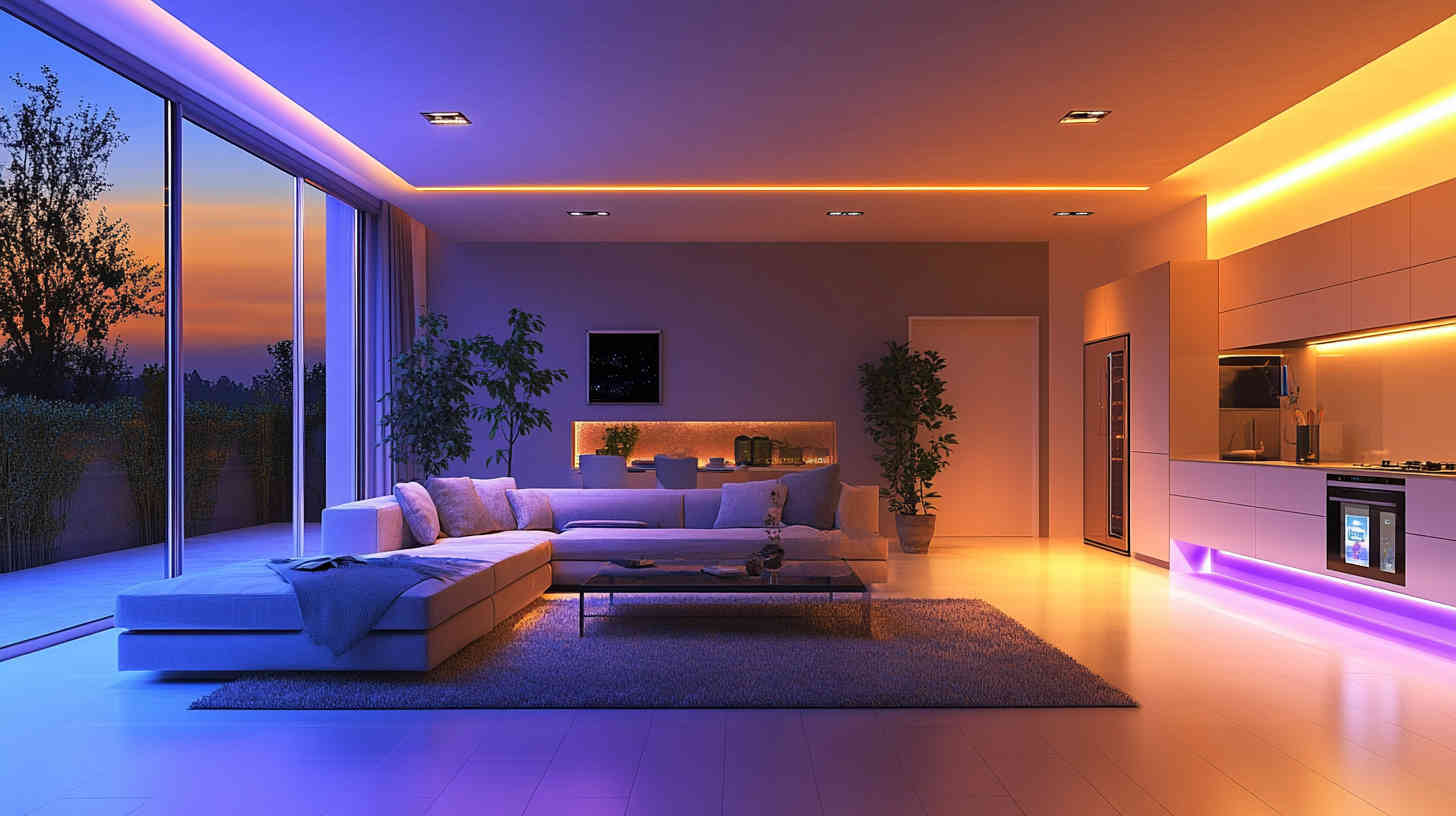
Smart lighting control systems are the pinnacle of modern lighting technology. These systems can be controlled remotely via smartphones, tablets, or voice-activated devices. Smart lighting allows you to adjust the color, brightness, and even the tone of the light to suit your mood. You can create custom lighting scenes for different activities such as dining, movie watching, or reading.
Additionally, smart lighting systems can be integrated with other smart home devices like thermostats, security systems, and entertainment systems. This level of integration offers a seamless living experience that enhances both comfort and convenience.
Wireless Control Systems
Wireless control systems use Wi-Fi or Bluetooth technology to allow you to control your lights from anywhere within the home. These systems eliminate the need for physical wiring, making them a great option for renovations or new builds. Wireless control systems can range from basic setups with simple control switches to fully integrated smart systems.
Key Features to Look for in Lighting Control Systems
When choosing the right lighting control system for your home, it’s important to consider several key features that will improve the functionality and efficiency of the system.
Compatibility
Ensure that the lighting control system you choose is compatible with your existing fixtures and wiring. Some systems, particularly smart lighting setups, may require specialized bulbs or adapters, so it’s crucial to check compatibility before purchasing. If you have an existing smart home setup, make sure the lighting system integrates well with other devices like thermostats or security systems.
Scalability
If you’re planning to expand your lighting system in the future, it’s wise to choose a system that allows for scalability. Some systems can easily be extended to include more lights or more rooms, while others may require you to replace the entire setup.
User Control
The level of control you have over the lighting system is a critical factor in your choice. Do you want to control the lights from your smartphone, through physical switches, or with a voice assistant? Consider how you prefer to interact with your lighting and make sure the system offers the flexibility to meet those needs.
Energy Efficiency and Cost Savings
Look for systems that offer energy-saving features, such as dimming capabilities or motion detection, which can help reduce your electricity bill. LED lights paired with dimming control switches can offer substantial savings, as they consume less power than incandescent or halogen bulbs.
Security Features
Some lighting control systems come with built-in security features, such as “away modes” that simulate activity in the home while you’re on vacation. This can be an excellent deterrent to burglars, as it makes it appear as though someone is home, even when the house is empty.
Installation and Maintenance Considerations
When choosing a lighting control system, it’s important to think about installation and maintenance. For simple systems like dimmer switches or motion sensors, installation can often be done as a DIY project. However, more complex systems, especially smart lighting systems, may require professional installation to ensure they are integrated properly with your home’s electrical system.
Additionally, some systems require regular maintenance or software updates, especially those that are Wi-Fi-enabled. It’s important to keep this in mind when choosing a system, as a more complex solution may need more ongoing attention.
Conclusion
Choosing the right lighting control system for your dream home is an exciting step in creating a functional, energy-efficient, and aesthetically pleasing space. Whether you prefer simple dimmer switches, automated motion sensors, or an advanced smart system, the right choice will depend on your lifestyle, home design, and budget. By understanding your needs and the various system options available, you can find a lighting control system that enhances your home’s atmosphere, provides convenience, and maximizes energy efficiency.
 homeglobepro