
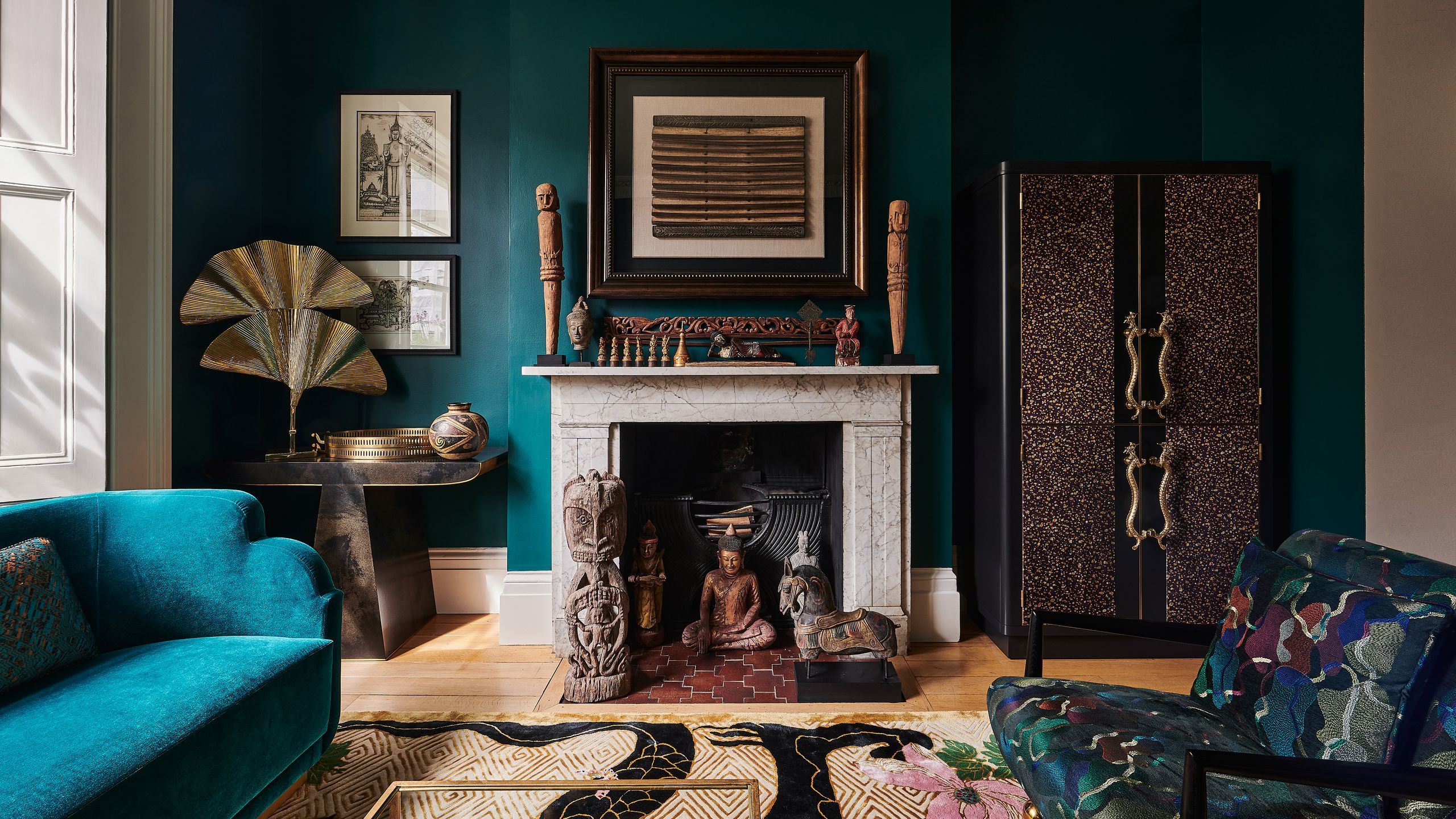
Walk into a truly memorable home, and you can usually feel two things at once: it belongs to now, yet it carries a sense of where it came from. That’s the heart of modern homes with traditional roots—spaces that look clean and current, but still hold cultural cues through pattern, craft, material, symbolism, and the way rooms support everyday rituals.
This design approach isn’t about turning a house into a museum or copying “heritage” aesthetics wholesale. It’s about weaving cultural identity into contemporary living so the home feels personal, grounded, and timeless. Whether your roots are South Asian, Middle Eastern, African, East Asian, European, Latin American, or a blend of many places, the principles are surprisingly universal: respect craftsmanship, honor meaning, and edit with intention.
Below is a practical, design-forward guide to blending cultural elements into a modern home—without creating visual chaos.
Why This Style Matters Right Now
Modern life moves fast. Homes have become more than just places to sleep—they’re workplaces, sanctuaries, entertainment zones, and family gathering hubs. In that mix, cultural design elements do something powerful:
- They add identity in a world of copy-paste interiors.
- They carry stories—family histories, travel memories, and community traditions.
- They create warmth in modern spaces that might otherwise feel sterile.
- They support rituals—tea time, prayer, festivals, shared meals, welcoming guests.
In other words, cultural roots make modern interiors feel human.
Start With a Modern Base, Then Layer Tradition
The easiest way to get this balance right is to begin with a clean contemporary foundation: neutral walls, simple lines, uncluttered surfaces, and functional lighting. Then bring tradition in through fewer, stronger choices rather than many small ones.
Think of it like cooking: a simple base lets the spices shine.
The Modern Base (Your “Canvas”)
- Calm wall colors (warm whites, soft greiges, muted earth tones)
- Streamlined furniture silhouettes
- Consistent flooring (wood, polished concrete, large-format tile)
- Minimal window treatments or clean drapery lines
- Thoughtful negative space (room to breathe)
The Traditional Layers (Your “Signature”)
- Patterned textiles and rugs
- Carved or inlaid wood pieces
- Handmade ceramics
- Metalwork (brass, copper, wrought iron)
- Art, calligraphy, masks, or symbolic motifs
- Cultural layouts and functional rituals (seating circles, entry transitions, altar/prayer niche)
This approach ensures your home doesn’t become visually busy. It stays modern, but unmistakably yours.
Choose “Heritage Anchors” Instead of Theme Décor
A common mistake is buying generic “ethnic” décor that feels disconnected—mass-produced wall hangings, random figurines, or prints that mimic tradition but lack meaning. Instead, choose what designers often call anchor pieces: one or two strong traditional elements that ground the room.
Examples of Heritage Anchors
- A hand-knotted rug passed down in the family
- A carved console table with regional detailing
- An heirloom trunk used as a coffee table
- A set of traditional brassware displayed like sculptural art
- A statement textile framed as wall art
- A modern sofa paired with one authentic, bold-patterned accent chair
Once an anchor is in place, everything else can remain simple.
Blend Materials: Where Modern Meets Craft
Material pairing is one of the cleanest ways to blend cultures into a modern home. Contemporary interiors love smoothness—glass, plaster, steel, polished stone. Traditional design loves texture—carving, weaving, hammered metals, aged wood, handmade ceramics.
When you mix them thoughtfully, the result is rich but not heavy.
High-Impact Material Pairings
- Matte plaster walls + carved wood panel or screen
- Modern marble countertop + handmade ceramic backsplash tile
- Sleek black metal lighting + warm brass accents
- Minimalist oak dining table + traditional woven dining chairs
- Neutral sofa + embroidered or block-printed cushions
A good rule: let the craftsmanship be the detail instead of adding too many decorative items.
A good rule: let the craftsmanship be the detail instead of adding too many decorative items.
Use Pattern Like a Designer: Controlled, Not Crowded
Many cultural traditions express identity through pattern—geometric motifs, florals, calligraphy, tribal marks, ikat, kilim, paisley, batik, and more. Pattern can be stunning in a modern home if you treat it with discipline.
A Simple Pattern Formula
- Pick one hero pattern (rug, curtain, or wallpaper)
- Choose one supporting pattern (cushions, smaller textile)
- Keep everything else solid, textured, or neutral
If your hero is bold, your supporting pattern should be quieter. If your hero is detailed, your supporting pattern should be simpler.
Smart Pattern Placements
- Rugs (the most forgiving and effective)
- Cushion covers (easy to swap seasonally)
- One feature wall (behind bed, entry wall, or dining wall)
- Upholstery on a single accent chair
- Textiles used as art (framed fabric or tapestry)
This is how you get the cultural richness without the “busy living room” look.
Lighting: The Quiet Power Tool of Fusion Design
Lighting can either highlight tradition or make it feel out of place. Traditional elements often have intricate detail—carving, embossing, texture—so they need layered, warm lighting to look intentional.
Lighting Tips That Work Almost Everywhere
- Use warm color temperatures (around 2700K–3000K) for a cozy, inviting glow
- Layer three types of light:
- Ambient (overall lighting)
- Task (reading, cooking, work)
- Accent (art, niches, objects)
- Add one cultural statement light:
- a lantern-inspired pendant
- a jali-style sconce
- a Moroccan or Turkish-style fixture
- a paper lantern reinterpretation
- a hammered metal chandelier
Even one beautiful fixture can set the tone for the whole space.
Respect Cultural Layouts and Rituals
Culture isn’t only visual—it’s how spaces are used. A modern home can still honor traditional ways of living:
Examples
- Entry transition zone: a spot to remove shoes, store slippers, and create a “pause” before entering the home
- Floor seating corner: a low table with cushions for tea, games, or family gatherings
- Prayer/meditation niche: subtle, integrated, and peaceful—doesn’t need to be flashy
- Communal dining: a dining area designed for lingering meals, not just quick bites
- Guest hospitality cues: a welcoming console with water/tea setup, extra seating options, and warm lighting
When the layout supports real habits, the home feels authentic—not staged.
Color Palettes That Blend Tradition with Modern Calm
Traditional interior design often uses deep, saturated colors—reds, saffrons, indigos, emeralds. Modern interiors often prefer muted tones. You don’t have to choose one or the other.
Three Balanced Color Approaches
1) Neutral Modern + Traditional Accents
Keep walls and large furniture neutral. Add cultural color via rug, cushions, art, and pottery.
2) Earth-Toned Heritage Modern
Use clay, sand, terracotta, olive, charcoal, and warm wood. This feels rooted and contemporary.
3) One Bold Color Story
Pick one heritage color (indigo, marigold, burgundy) and repeat it 2–3 times in a room in different intensities.
If you’re unsure: start neutral, then layer color slowly.
Showcase Handmade Objects Like Art
Handcrafted items deserve breathing room. The quickest way to make a home look curated is to display fewer objects more intentionally.
Display Ideas
- Group pottery in odd numbers (3 or 5) on a tray
- Use open shelving sparingly for artisan pieces
- Put heirloom bowls or textiles behind glass like gallery pieces
- Hang one oversized cultural artwork instead of many small ones
- Use niches or recessed shelves to spotlight objects
This turns meaningful items into focal points rather than clutter.
A number of contemporary studios build their design identity around this kind of restraint—where the home acts like a quiet gallery for stories and craft. You can apply the same mindset even without a designer. And if you’re looking for inspiration, you’ll often see firms like Studio Boudreau referenced for their approach to thoughtful, layered spaces where character comes through without visual overload.
Room-by-Room: Practical Ways to Blend Culture and Modern Design
1) Living Room
- Modern sofa + traditional rug = instant fusion
- Add one carved wood piece (console, coffee table, or side table)
- Use cultural textiles as cushion covers
- Keep the rest minimal: solid curtains, simple media unit, neutral walls
Pro tip: Let the rug do most of the cultural storytelling.
2) Dining Area
Dining spaces are naturally cultural—food and gathering are at the center of many traditions.
- Choose a modern dining table with clean lines
- Add traditional dining chairs or woven seating
- Use a statement pendant light inspired by heritage forms
- Decorate with a runner and a centerpiece of handmade ceramics
3) Kitchen
The kitchen is often where modern function matters most—so cultural elements should be durable and practical.
- Handmade tiles for backsplash (choose a restrained pattern)
- Brass or matte black hardware with traditional-inspired shapes
- Open shelf with curated traditional cookware or serving pieces
- A small spice/tea corner styled beautifully
4) Bedroom
Bedrooms should feel calm, so keep cultural elements soft and tactile.
- Neutral bedding + embroidered throw
- A headboard with subtle carved detailing
- Traditional textile framed above the bed
- Warm bedside lamps, minimal clutter
This is one of the best spaces for “quiet tradition.”
5) Entryway
A culturally rooted home often starts at the entrance.
- A console with a bowl for keys and a tray for essentials
- Shoe storage or a small bench
- A mirror with a traditional frame or carved border
- A welcoming art piece or symbolic motif
Small, practical, and meaningful.
Common Mistakes (and How to Avoid Them)
Mistake 1: Mixing too many cultures at once
If you have multiple influences, choose one “lead” culture for a room, and let others appear subtly.
Mistake 2: Overdoing pattern
Choose one hero pattern and control the rest.
Mistake 3: Buying mass-produced “cultural” décor
Prioritize authentic craft, local artisans, or meaningful pieces—quality over quantity.
Mistake 4: Ignoring scale
Traditional furniture can be visually heavy. Balance it with modern pieces that have slim legs, open bases, and lighter forms.
Mistake 5: Treating culture as decoration rather than lifestyle
Include rituals and functionality—how you live matters as much as how the room looks.
Bringing It All Together
Blending cultural elements into modern homes is less about rules and more about respect—respect for craft, for meaning, and for the way traditions shape daily life.
If you build a clean modern base and layer in a few meaningful, high-quality heritage pieces, you’ll get a home that feels elevated and current—but also warm, personal, and rooted. That’s the sweet spot: modern comfort with traditional soul.
And remember: the most beautiful cultural interiors aren’t the ones with the most décor. They’re the ones with the strongest story.
 homeglobepro