
Summary
- A pet-friendly home supports safety, comfort, and healthy behavior.
- Thoughtful design choices protect both pets and property.
- Structure, training, and consistency matter as much as space.
- Homes prepared for active breeds create smoother long-term ownership.
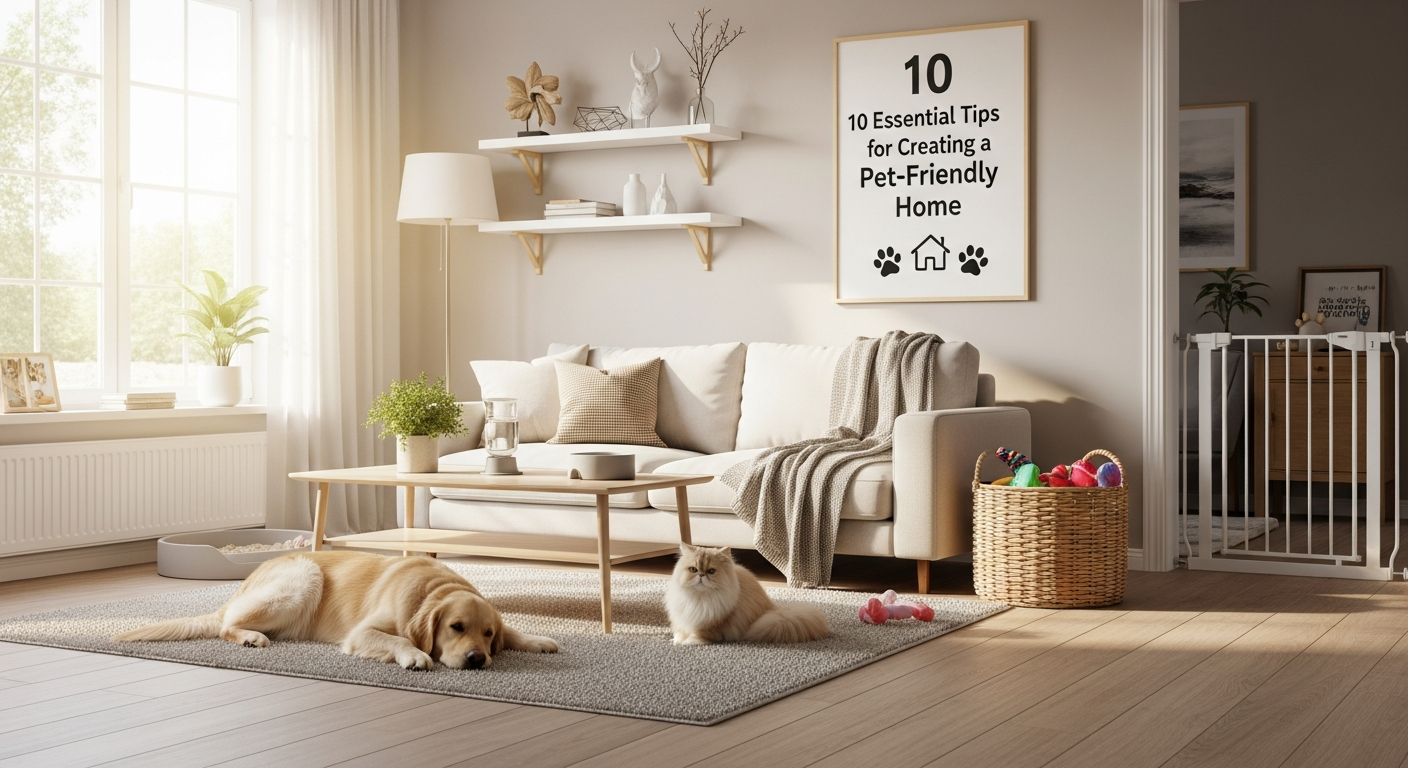
Creating a pet-friendly home requires planning, structure, and intention. Dogs thrive in environments that support movement, routine, safety, and calm. When owners design their homes with pets in mind, daily life becomes easier and more enjoyable for everyone. This approach proves especially important for active, intelligent breeds that need structure and stimulation, especially when welcoming Doberman puppies into the home.
The following tips focus on practical changes that help pets settle in, stay safe, and develop positive habits from day one.
Designate Clear Pet Zones
Pets feel more secure when they understand where they belong. Create defined zones for sleeping, eating, and playing. Use consistent locations rather than changing setups frequently.
A dedicated rest area helps dogs relax and self regulate. Feeding zones reduce anxiety and food guarding. Play areas encourage appropriate energy release. Structure builds confidence and predictability, which is especially helpful during the early adjustment period for Doberman puppies.
Choose Durable Flooring and Eliminate Household Hazards
A safe and practical home setup starts with surfaces and surroundings that support daily pet activity while minimizing risks.
- Choose vinyl, sealed tile, or laminate flooring that resists scratches and cleans easily.
- Avoid slippery finishes and prefer textured surfaces for better traction and joint support.
- Secure cords and cables using covers to prevent chewing and accidents.
- Store cleaning products and chemicals in locked cabinets or on high shelves.
- Remove small, sharp, or loose objects from areas pets can access.
By combining durable flooring with basic safety measures, owners create a low stress environment that protects pets from injuries and supports smooth, worry free daily living.
Create Safe Access to Outdoor Areas
Dogs benefit from fresh air and movement. Secure fencing, locked gates, and shaded areas support safe outdoor time. Check for gaps, loose panels, or sharp edges. Provide water access during outdoor play. Supervised exposure builds confidence while preventing escapes or injuries.
Create safe, controlled outdoor spaces that allow dogs to explore without risk. Use secure fencing, locked gates, shaded areas, and constant access to fresh water to support healthy outdoor time while preventing escapes and injuries.
Use Pet-Friendly Furniture and Fabrics
Select furniture that tolerates hair, movement, and cleaning. Tightly woven fabrics resist snagging and stains better than loose materials. Washable covers add flexibility. Raised beds support joint health and reduce pressure. Furniture choices should support comfort without constant worry.
Use furniture and fabrics designed to handle daily pet activity without damage or stress. Choose tightly woven, easy to clean materials, washable covers, and supportive pet beds that promote comfort, durability, and long-term joint health.
Provide Mental Stimulation Indoors
Mental stimulation plays a critical role in maintaining a dog’s emotional balance and overall behavior. When dogs engage their minds regularly, they remain calmer, more focused, and less likely to develop stress related or destructive habits.
- Rotate toys frequently to keep activities interesting and mentally engaging.
- Introduce puzzle feeders that encourage problem solving and patience.
- Use scent games to stimulate natural instincts and concentration.
- Conduct short indoor training sessions to reinforce focus and good manners.
- Change activities periodically to prevent routine based boredom.
By incorporating these simple mental exercises into daily life, owners create a structured indoor environment that supports confidence, reduces anxiety, and encourages steady, well balanced behavior.
Set Boundaries Early and Clearly
Set boundaries early and communicate them clearly to create a sense of structure and security. Dogs learn faster when rules remain consistent across all family members. Decide from the beginning which rooms, furniture, and behaviors remain off limits to avoid confusion later.
Use positive reinforcement to encourage acceptable behavior instead of relying on punishment. Redirect unwanted actions toward appropriate alternatives such as toys or designated areas. Clear, calm guidance builds trust, reduces anxiety, and helps dogs adapt quickly without fear or stress.
Prepare for Growth and Energy Levels
Many owners underestimate how quickly puppies grow and how much space they need. Plan layouts that allow movement without chaos. Remove fragile items from high traffic areas. Leave open paths for play and training. Homes designed for growth reduce constant adjustments.
Families considering doberman puppies should prepare for athletic movement, intelligence, and strong bonding needs. Thoughtful preparation supports smoother integration and long-term harmony.
Support Training With the Home Environment
A structured home environment makes training smoother and more effective by reinforcing calm and consistency.
- Use baby gates to control access during training.
- Keep treats and tools easily accessible for quick reinforcement.
- Reduce noise and distractions to improve focus.
When the home supports structure and engagement, dogs learn faster and respond with confidence.
Why Preparation Matters When Choosing a Puppy
Pet-friendly homes do not happen by accident. They reflect intentional ownership and long-term thinking. Responsible breeders emphasize preparation because the environment influences development, confidence, and behavior.
When families explore options through established breeders, they benefit from guidance that goes beyond selection. Education, preparation, and realistic expectations support successful placements.
A well prepared home allows dogs to settle faster, learn more effectively, and build strong relationships with their owners.
Final Thoughts
Creating a pet friendly home involves more than adding a bed or toys. It requires structure, safety, and consistency. Thoughtful design choices reduce stress, protect property, and support healthy behavior.
Homes that prioritize routine, stimulation, and clear boundaries create better outcomes for pets and owners alike. Preparation sets the foundation for a positive experience that lasts for years. A calm, structured environment allows pets to thrive and families to enjoy every stage of the journey.
 homeglobepro