
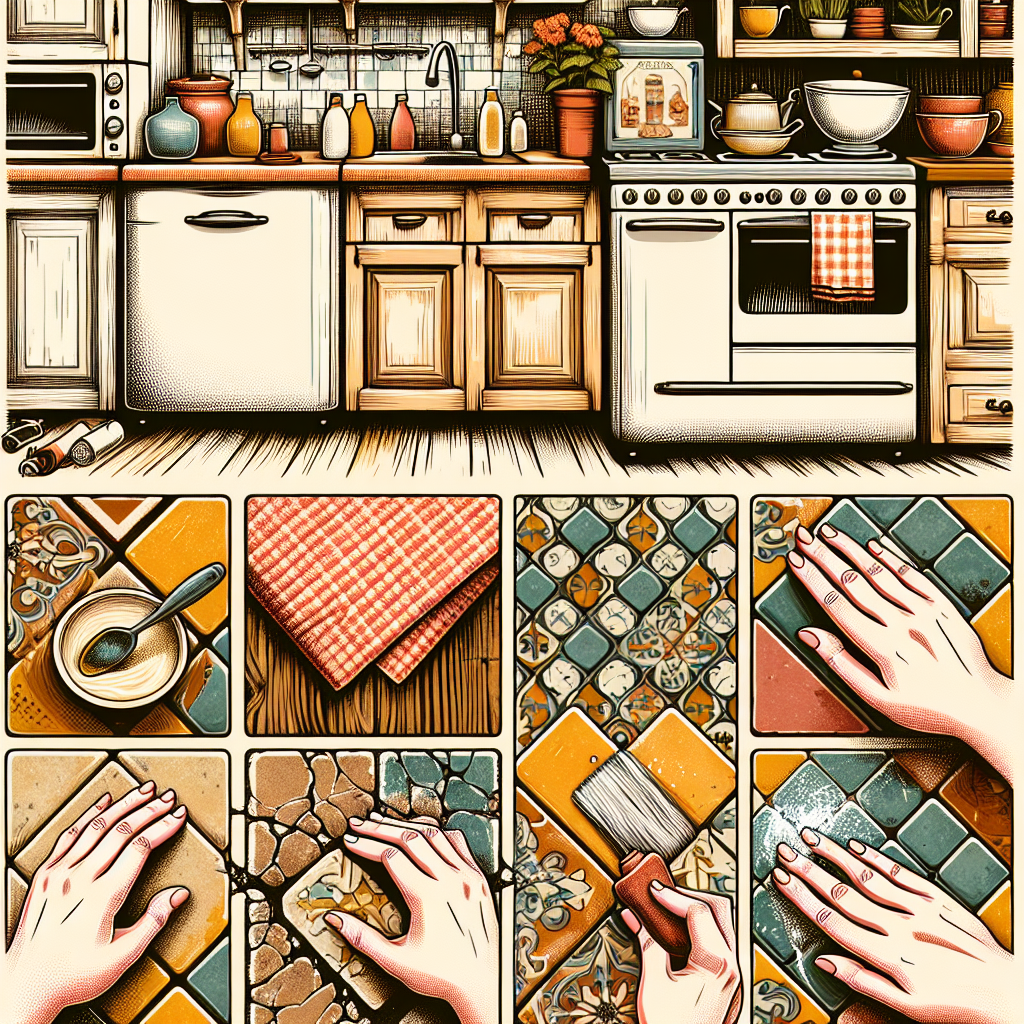
Are your kitchen tiles looking a little past their prime? Scratches, dullness, grimy grout, and general wear and tear can make even the most beautiful kitchen feel a bit sad. The good news is, you don’t always need a full renovation to revive them! With a bit of elbow grease, the right tools, and some clever DIY methods, you can restore your old kitchen tiles and bring back their sparkle. Let’s dive in!
Why Restore Your Old Kitchen Tiles DIY?
Before we get into the how, let’s talk about the why.
- Cost-Effective: Replacing tiles can be expensive. Restoration is a budget-friendly alternative.
- Eco-Friendly: You’re giving existing materials a new lease on life, reducing waste.
- Preserves Character: Old homes often have unique tiles. Restoration helps maintain their original charm.
- Boosts Value: A clean, well-maintained kitchen significantly enhances your home’s appeal.
- Sense of Accomplishment: There’s nothing quite like seeing the transformation you achieved yourself!
Understanding Your Tiles: Know What You’re Working With

Before you grab your cleaning supplies, it’s helpful to identify your tile type. Different materials respond best to specific cleaning and restoration methods.
- Ceramic and Porcelain Tiles: These are common, durable, and generally easy to clean. They are often glazed, meaning they have a protective, shiny coating.
- Natural Stone Tiles (Marble, Granite, Travertine, Slate): Beautiful but porous and more delicate. They require pH-neutral cleaners and regular sealing. Acidic cleaners can etch and damage them.
- Quarry Tiles: Unglazed, hard-wearing, and often reddish-brown. They are porous and can absorb stains if not sealed.
- Vinyl Tiles: Less common in kitchens nowadays, but easy to clean and polish.
The DIY Restoration Journey: Step-by-Step
Restoring your kitchen tiles is a process, not a single task. Follow these steps for the best results.
Step 1: The Deep Clean – Your Foundation for Success
This is the most crucial step. You can’t restore or shine what’s hidden under layers of grime.
- Clear the Area: Remove everything from your countertops and floor space.
- Initial Sweep/Vacuum: Get rid of loose dirt, crumbs, and debris.
- Tackle the Grout First: Grout lines often hold the most dirt and can dramatically change the look of your tiles.
- Method 1 (Mild Stains): Create a paste with baking soda and water. Apply it liberally to grout lines, let it sit for 10-15 minutes, then scrub with a stiff-bristled grout brush. Rinse thoroughly.
- Method 2 (Tougher Stains/Mildew): For stubborn grime, mix equal parts white vinegar and water in a spray bottle. Spray the grout, let it sit for 5-10 minutes (do not use on natural stone or unsealed grout, as vinegar is acidic), then scrub. Alternatively, a paste of oxygen bleach powder mixed with water is highly effective for brightening without harsh fumes. Apply, let sit, then scrub.
- Commercial Grout Cleaners: Many powerful, ready-to-use grout cleaners are available. Always follow product instructions and wear gloves and eye protection.
- Clean the Tile Surface:
- General Cleaning: For most glazed ceramic and porcelain tiles, a solution of warm water and a few drops of dish soap or an all-purpose floor cleaner (pH-neutral is best) will work wonders. Use a mop or a large sponge.
- Grease Buildup: For greasy tiles (especially near the stove), a degreaser spray or a paste of baking soda and water can cut through the grime. Let it sit, then scrub.
- For Natural Stone: Use only pH-neutral stone cleaners specifically designed for your stone type. Avoid anything acidic (vinegar, lemon juice) or abrasive.
- Rinse, Rinse, Rinse: After cleaning, rinse the entire tiled area thoroughly with clean water to remove any cleaner residue, which can cause dullness or stickiness. Use a clean mop or multiple buckets of water.
Step 2: Repairing Minor Damage
Once clean, you can better assess any damage.
- Loose Tiles: If a tile sounds hollow or moves, it might be loose. Carefully scrape out the surrounding grout, lift the tile, remove old adhesive, apply new tile adhesive, and firmly press the tile back into place. Re-grout once the adhesive has cured.
- Cracked or Chipped Tiles:
- Small Chips/Hairline Cracks: You can often repair these using an epoxy filler kit that can be color-matched to your tile. Apply the filler, smooth it, and let it cure. For a better blend, you can use a tile touch-up paint kit afterwards.
- Large Cracks/Breaks: If a tile is severely damaged, consider replacing it if you have spares. It’s often easier and looks better than trying to repair extensive damage.
Step 3: Grout Restoration (Beyond Cleaning)
Even after deep cleaning, old grout might still look stained or simply dated.
- Regrouting: If your grout is crumbling, missing in places, or severely discolored and beyond cleaning, regrouting is the answer. This involves carefully removing the old grout with a grout saw or multi-tool, vacuuming out the dust, and then applying fresh grout. This is a bit more involved but gives a brand new look.
- Grout Colorant and Sealer: This is a fantastic DIY solution. Grout colorants are essentially an opaque grout paint that also seals the grout.
- How to Use: Deep clean the grout (as in Step 1). Choose a colorant close to your original grout or a new shade. Apply it carefully with a small brush or applicator directly to the grout lines. Wipe away any excess from the tile surface before it dries. This not only makes your grout look pristine but also seals and protects it from future stains.
Step 4: Tile Surface Enhancement and Protection
Now for the shine!
- Polishing (for Natural Stone): Natural stone tiles can lose their luster over time. Use a stone polishing compound designed for your specific type of stone. Apply according to instructions, often using a buffing pad and a low-speed polisher. This can bring back a stunning, natural sheen.
- Sealing (Essential for Porous Tiles and Grout): This is critical for natural stone, unglazed ceramic/quarry tiles, and all grout lines (even if you used a colorant, an extra layer of sealer is good).
- Why Seal? Sealers penetrate the surface, making it resistant to moisture, stains, and mildew. This makes cleaning easier and helps maintain the appearance.
- How to Seal: Ensure tiles and grout are completely clean and dry. Apply a high-quality penetrating sealer with a brush, roller, or spray applicator. Allow it to soak in for the recommended time, then wipe off any excess before it dries. You might need multiple coats. Always test in an inconspicuous area first. Re-seal annually or as recommended by the product.
- Tile Painting/Resurfacing Kits (For a Dramatic Change): If your tiles are heavily scratched, discolored, or you just want a completely new look without replacing them, specialized epoxy-based tile paint kits are available.
- Process: This involves thorough cleaning, sanding (lightly, to create a bond), priming, and then applying several thin coats of the epoxy paint. It’s a multi-day process requiring patience and good ventilation, but the results can be stunning, giving you a completely fresh, durable surface. This is suitable for most ceramic and porcelain tiles, but not generally for natural stone.
Bringing Back the Shine and Keeping It!
Once restored, maintaining that shine is key.
- Regular Cleaning: Use a pH-neutral cleaner for daily or weekly cleaning. Avoid harsh chemicals, abrasive scrubbers, or cleaners containing acids or ammonia, as these can dull the finish and break down sealers.
- Prompt Spill Cleanup: Don’t let spills sit, especially on grout or unsealed tiles.
- Microfiber Mops/Cloths: These are excellent for cleaning without leaving streaks.
- Natural Shine Boosters: For glazed tiles, a quick wipe with a diluted solution of water and a small amount of white vinegar (about 1/4 cup per gallon of water) can provide a streak-free shine. Again, avoid vinegar on natural stone or unsealed grout.
- Polishing Products: For an extra boost, you can use specialized tile polishes designed for your tile type.
DIY Tools and Materials You’ll Need
Here’s a checklist to get you started:
- Vacuum cleaner, broom
- Buckets, sponges, microfiber cloths
- Stiff-bristled scrub brush, grout brush
- Rubber gloves, eye protection
- Baking soda, white vinegar, oxygen bleach (optional)
- pH-neutral tile cleaner, degreaser
- Grout saw (for regrouting)
- Grout mix, grout float, mixing bucket (for regrouting)
- Grout colorant/sealer, applicator brush
- Tile adhesive, epoxy filler, tile touch-up paint (for repairs)
- Tile sealer, applicator (brush or roller)
- Optional: Tile paint kit, sanding block, stone polishing compound, buffing pads.
Tips for Success
- Always Test: Before applying any cleaner, sealer, or paint to your entire floor, test it in an inconspicuous area (e.g., in a corner under an appliance) to ensure it doesn’t cause damage or unwanted discoloration.
- Read Instructions: Every product is different. Read and follow all manufacturer’s instructions carefully for best results and safety.
- Ventilation is Key: When working with strong cleaners, sealers, or paints, ensure your kitchen is well-ventilated by opening windows and using fans.
- Patience: Don’t rush the process. Allow products to dry and cure for the recommended times.
- Work in Sections: If you have a large kitchen, tackle one section at a time.
When to Call a Pro
While many tile issues can be resolved DIY, sometimes it’s best to call in the experts:
- Extensive Damage: If you have numerous cracked or missing tiles, or suspect subfloor issues.
- Mold Under Tiles: If you see signs of mold growing under the tiles, this indicates a deeper moisture problem.
- Very Expensive or Rare Tiles: If you’re unsure how to treat delicate or antique tiles, a professional can offer specialized services.
- Lack of Time or Confidence: If the scope of work feels overwhelming.
Conclusion
Restoring your old kitchen tiles DIY is a rewarding project that can dramatically transform the look and feel of your kitchen without breaking the bank. From deep cleaning and minor repairs to regrouting and sealing, each step contributes to bringing back that much-desired shine. Take your time, choose the right products for your tile type, and enjoy the satisfaction of a beautifully refreshed kitchen!