
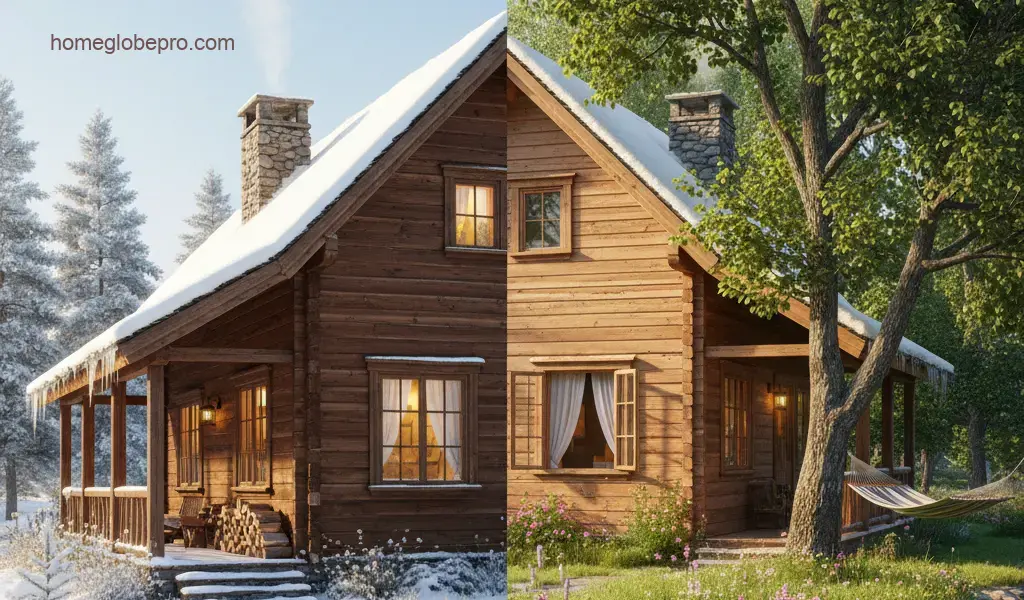
Wooden cabins, often nestled in the heart of nature, offer a unique blend of rustic charm and serene living. However, maintaining a comfortable indoor climate in these beautiful structures, especially through harsh winters and warm summers, requires thoughtful planning and execution.
Our guide will walk you through the inherent advantages of wood as a building material and the essential steps to ensure your wooden home remains a cozy sanctuary year-round, all while being as efficient as possible.
Wood as a Superior Construction Material
Wood has been a fundamental building material for millennia, prized for its natural beauty, strength, and environmental benefits. For cabins, its properties are particularly advantageous.
Natural Insulation Properties
One of wood’s most significant assets is its natural insulating capability. Unlike steel or concrete, wood has a cellular structure that traps air, making it an excellent thermal insulator.
This means wood naturally resists the transfer of heat, helping to keep the interior warm in winter and cool in summer. This inherent quality reduces the reliance on artificial heating and cooling systems, contributing to energy efficiency.
Durability and Longevity
When properly maintained and protected from moisture and pests, a wooden structure can last for centuries.
Modern treatments and construction techniques further enhance wood’s resistance to decay, insects, and fire, ensuring a long lifespan for your cabin. Its flexibility also allows it to withstand seismic activity better than more rigid materials.
Sustainability
Wood is a renewable resource, making it an environmentally friendly choice. Sustainable forestry practices ensure that trees are replanted, maintaining ecological balance.
Furthermore, wood production requires less energy compared to other building materials, and wood sequesters carbon, helping to reduce greenhouse gas emissions.
Building a Sturdy and Efficient Wooden House
While wood offers many benefits, building a truly sturdy and efficient wooden house requires more than just the material itself. Thoughtful design and additional components are crucial.
Essential Elements for a Robust Structure
Foundation and Framing
A strong, well-drained foundation is paramount to protect the wooden structure from ground moisture. The framing, whether traditional stick-built or log construction, must be engineered to withstand local weather conditions, including wind, snow loads, and seismic activity.
Roof and Exterior
A robust roof system with proper overhangs protects walls from rain and sun. High-quality roofing materials, along with durable siding and sealants, are essential to create a weather-tight envelope that prevents moisture intrusion and air leaks.
Maximizing Energy Efficiency
Insulation Beyond Wood
While wood insulates, additional insulation in walls, ceilings, and floors is vital for optimal thermal performance, especially in extreme climates. Materials like fiberglass, mineral wool, or spray foam can significantly boost your cabin’s R-value.
Window and Door Selection
High-performance windows and doors with double or triple-pane glazing, low-emissivity (Low-E) coatings, and insulated frames are critical. Proper installation and sealing prevent drafts and heat loss/gain.
Ventilation Systems
An efficient ventilation system, such as a heat recovery ventilator (HRV) or energy recovery ventilator (ERV), ensures fresh indoor air without significant heat loss in winter or heat gain in summer.
Smart Home Integration for Climate Control
Integrating smart thermostats and climate control systems allows for precise temperature management, often learning your habits and adjusting settings for maximum efficiency and comfort.
Keeping Your Wooden Cabin Warm in Winter
To combat winter’s chill, a multi-pronged approach is most effective.
Sealing Air Leaks
Even the best insulation can be compromised by air leaks. Regularly inspect and seal gaps around windows, doors, electrical outlets, and plumbing penetrations with caulk or weatherstripping.
Optimizing Heating Systems
Ensure your heating system (fireplace, wood stove, furnace, or heat pump) is regularly serviced and operating efficiently. Consider zoning your heating to warm only occupied areas.
Passive Solar Gain
Utilize the sun’s warmth by opening curtains and blinds on south-facing windows during the day to allow sunlight to naturally heat your interior. Close them at night to trap heat.
Keeping Your Wooden Cabin Fresh in Summer
Summer comfort is about managing heat and humidity.
Natural Ventilation Strategies
Open windows strategically on opposite sides of the cabin during cooler morning and evening hours to create cross-ventilation, flushing out warm air and bringing in fresh breezes.
Shading and Landscaping
Exterior shading devices like awnings or strategically planted deciduous trees can block direct sunlight from hitting windows and walls, significantly reducing heat gain.
Dehumidification
In humid climates, a dehumidifier can make a significant difference in comfort levels, even without lowering the temperature, by removing moisture from the air.
Embracing the Wooden Cabin Lifestyle
A wooden cabin offers a unique connection to nature and a peaceful retreat.
By understanding wood’s inherent properties and implementing smart design and maintenance strategies, you can create an energy-efficient home that provides comfort and enjoyment through all seasons, minimizing its environmental footprint and maximizing your living experience.
Q&A
Q1: How does wood naturally insulate a home?
A1: Wood’s cellular structure contains tiny air pockets that trap air, making it a poor conductor of heat. This natural characteristic slows down heat transfer, keeping the cabin warmer in winter and cooler in summer.
Q2: What are the most common mistakes when building an energy-efficient wooden cabin?
A2: Common mistakes include insufficient insulation beyond the wood itself, neglecting air sealing, choosing low-quality windows and doors, and not addressing proper ventilation, all of which lead to energy loss.
Q3: Can smart home technology help manage cabin temperature?
A3: Absolutely. Smart thermostats and integrated climate control systems can learn your preferences, adjust temperatures based on occupancy, and even be controlled remotely, optimizing energy use and comfort.
Q4: What maintenance is required for a wooden cabin to last?
A4: Regular maintenance includes inspecting for and repairing any moisture damage, applying protective stains or sealants to the exterior, checking for and treating pest infestations, and ensuring gutters and drainage systems are clear and functioning.
 Winifred Gill