
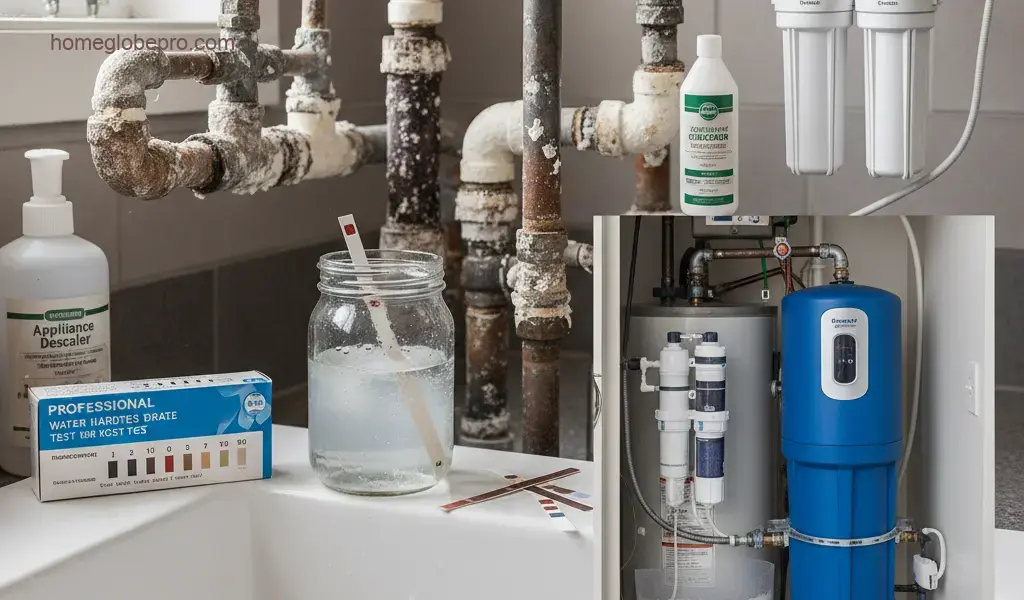
In the realm of home maintenance and appliance longevity, understanding your water quality is paramount. Hard water, a common issue in many households across the USA, can silently wreak havoc on your plumbing, appliances, and even your personal hygiene.
What is Hard Water?
Hard water is characterized by a high concentration of dissolved minerals, primarily calcium and magnesium. As water travels through soil and rocks, it picks up these minerals, leading to its “hardness.” While generally safe for consumption, hard water can cause a range of issues within your home’s infrastructure.
How to Test for Hard Water in Your Home and Pipes
Identifying hard water in your home is the first step toward addressing it. Here are a few simple methods:
- The Soap Test: Fill a clean bottle or jar with water from your tap, add a few drops of pure liquid soap (not detergent), and shake vigorously. If you see very little lather and a lot of cloudy residue or scum, you likely have hard water. Soft water will produce abundant suds.
- Test Strips: Affordable and easy to use, hard water test strips are available at most home improvement stores. Simply dip a strip into a water sample, and it will change color to indicate the level of hardness.
- Professional Water Testing: For the most accurate results and a comprehensive analysis of your water quality, consider hiring a professional water testing service. They can identify not only hardness but also other potential contaminants.
What Kind of Issues Can We Expect if Hard Water is Present?
The presence of hard water can lead to several noticeable and often costly problems:
- Scale Buildup: The most common issue is the accumulation of mineral deposits, known as scale, on plumbing fixtures, inside pipes, and within appliances like water heaters, dishwashers, and washing machines. This scale reduces efficiency and can eventually lead to blockages and breakdowns.
- Appliance Inefficiency and Damage: Scale buildup forces appliances to work harder, consuming more energy and shortening their lifespan. Heating elements become coated, reducing their ability to heat water effectively.
- Dull Laundry and Stiff Clothes: Minerals in hard water react with detergents, preventing them from fully dissolving and rinsing away. This can leave clothes looking dull, feeling stiff, and even cause colors to fade prematurely.
- Soap Scum and Residue: Hard water makes it difficult for soap to lather properly and rinse cleanly, leading to unsightly soap scum on showers, tubs, and sinks.
- Dry Skin and Hair: The minerals in hard water can leave a residue on your skin and hair after showering, leading to dryness, irritation, and dull-looking hair.
How to Keep Our Appliances Safe and Hard Water Resistant?
Protecting your valuable home appliances from the detrimental effects of hard water requires a proactive approach:
- Regular Descaling: For appliances like coffee makers, kettles, and showerheads, regular descaling with vinegar or commercial descaling solutions can remove mineral buildup.
- Use Hard Water-Friendly Detergents: Some detergents are formulated to perform better in hard water conditions. Look for labels that indicate this.
- Clean Fixtures Regularly: Wipe down sinks, faucets, and showerheads frequently to prevent mineral deposits from hardening.
- Follow Manufacturer Guidelines: Adhere to the maintenance recommendations provided by appliance manufacturers, as some may offer specific advice for hard water areas.
Is There Any Kind of Water Softener, Water Filters, or Other Precaution Measures for Hard Water?
Keep Appliances and Other House Installation Safe if Hard Water is Inside Pipes.
Several effective solutions can mitigate the impact of hard water and protect your home’s installations:
Water Softeners
The most comprehensive solution for hard water is a water softener. These systems typically use an ion-exchange process to remove calcium and magnesium ions from the water, replacing them with sodium or potassium ions. This results in truly soft water throughout your entire home.
- Salt-Based Water Softeners: These are the most common type, using salt to regenerate the resin beads that capture hardness minerals.
- Salt-Free Water Conditioners: While not technically softeners (as they don’t remove minerals), these systems condition the water to prevent minerals from sticking to surfaces, thus reducing scale buildup.
Water Filters
While not all water filters are designed specifically for hardness, some can help reduce certain minerals or improve overall water quality:
- Whole-House Filters: Installed at the main water line, these can remove sediment and some minerals, though dedicated water softeners are more effective for hardness.
- Point-of-Use Filters: Filters on faucets or showerheads can improve the water quality at specific outlets, reducing some mineral exposure.
Other Precautionary Measures
- Magnetic or Electronic Descalers: These devices claim to alter the charge of mineral ions, preventing them from forming scale. Their effectiveness can vary and is often debated.
- Chemical Treatments: Some chemical additives can be used to sequester minerals, preventing them from forming scale. However, these are often temporary solutions and may not be suitable for all applications.
- Regular Plumbing Maintenance: Periodic flushing of your water heater and inspection of pipes can help identify and address early signs of scale buildup.
Conclusion
Hard water is a pervasive issue that can significantly impact the efficiency and longevity of your home’s appliances and plumbing systems. By understanding what hard water is, how to test for it, and the potential problems it causes, you can take proactive steps to protect your investment.
Implementing solutions such as water softeners, appropriate filtration, and consistent maintenance will not only extend the life of your appliances but also enhance your overall home comfort and reduce energy consumption.