
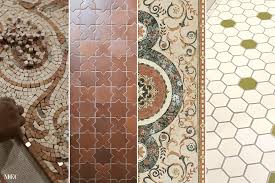
Choosing tile can feel like picking a “forever outfit” for your house: it has to look right today, still feel like you in five or ten years, and survive real life—muddy shoes, spilled coffee, steamy showers, kids, pets, and everything in between. The good news is that tile is one of the most versatile design tools you can use. The tricky part is narrowing down the style—especially when you’re torn between warm rustic character and sleek modern simplicity.
This guide will walk you through how to match tile style to your home’s architecture, your lifestyle, and the mood you want to create—room by room—so every surface feels intentional, cohesive, and truly “dream home” worthy.
Start With the Story of Your Home
Before you fall in love with a tile display, take a step back and look at the bones of your home. Tile should support the architecture, not fight it.
- Traditional or rustic homes (farmhouse, cottage, Mediterranean, colonial) usually look best with tiles that feel handcrafted, textured, time-worn, or stone-like.
- Contemporary homes (open plans, big windows, clean lines) typically shine with large-format tiles, subtle patterns, smooth finishes, and minimal grout lines.
- In-between homes (transitional, updated older houses) can go either way—your tile choice becomes the bridge between original character and modern comfort.
Ask yourself: Do I want my tile to blend in quietly, or be a statement feature? The answer shapes everything that comes next.
Understand the “Rustic to Modern” Spectrum
Tile style isn’t just “old vs new.” Think of it as a spectrum:
Rustic
Rustic tile feels grounded and organic. Common traits include variation in color (called “movement”), edges that aren’t perfectly crisp, and textures that mimic natural materials.
Rustic-friendly choices:
- Wood-look porcelain planks with visible grain
- Stone-look tiles with warm undertones
- Terracotta-inspired finishes
- Tumbled or matte surfaces
- Handmade-look ceramic with subtle irregularities
Transitional (The Sweet Spot)
Transitional style mixes warmth with clean structure—perfect if you want a timeless look that won’t feel trendy.
Transitional-friendly choices:
- Classic subway tile in softer, warmer whites
- Limestone-look porcelain
- Neutral patterns (gentle geometrics, tone-on-tone)
- Medium-format tiles with balanced grout lines
Modern
Modern tile feels crisp, airy, and intentional. It emphasizes shape, scale, and clean surfaces—often with fewer visual “details” and more focus on proportion.
Modern-friendly choices:
- Large-format porcelain slabs or tiles
- Concrete-look matte porcelain
- Monochrome palettes (white, gray, charcoal, greige)
- Thin grout lines that visually “disappear”
- Polished or satin finishes used selectively
If you’re stuck, choose a transitional base and add rustic or modern accents through lighting, hardware, paint, and décor. Tile is expensive to redo—making it your steady foundation is usually the smartest move.
Choose a Mood, Not Just a Color
Color matters, but mood is what makes a space feel right. Here are quick mood cues:
- Cozy & inviting: warm whites, creams, sand tones, honey wood looks, soft matte finishes
- Fresh & bright: clean whites, pale gray, glossy surfaces used in small doses
- Calm & spa-like: stone looks, gentle veining, muted neutrals, low contrast
- Bold & dramatic: deep charcoal, high-contrast grout, graphic patterns, rich jewel tones
A simple trick: pick one anchor tile (usually flooring or a major wall tile) that captures the mood, then build around it with quieter supporting tiles.
Pick the Right Material for the Job
Tile style is tied to material. The same “look” can perform very differently depending on what it’s made of.
- Porcelain: durable, low-porosity, great for floors, kitchens, and wet areas; often best for busy homes.
- Ceramic: excellent for walls and backsplashes; often offers the prettiest handmade-style glazes.
- Natural stone (marble, travertine, slate): gorgeous and authentic, but needs sealing and more maintenance; can scratch or etch depending on type.
- Cement/encaustic-style: beautiful pattern and softness, but true cement is porous; many people choose porcelain “look-alikes” for easier care.
- Glass accents: bright and reflective, ideal for small features rather than large floor areas.
If you love the rustic look but want modern practicality, porcelain that mimics wood or stone is your best friend.
Scale and Layout: The Secret to “Designer” Results
Two homes can use the same tile color and get totally different outcomes based on size and layout.
Tile Size
- Small tiles add texture and detail but create more grout lines (more visual busyness).
- Large-format tiles feel modern and expansive, with fewer grout lines and a calmer look.
If you want a modern vibe, go larger. If you want rustic charm, a smaller scale or visibly detailed surface can help.
Layout Patterns
- Straight stack (aligned grids) reads modern and clean.
- Running bond (classic brick/subway) feels timeless and works almost anywhere.
- Herringbone or chevron adds movement and an upscale feel—can lean modern or classic depending on the tile.
- Diagonal installs can make small rooms feel larger but may increase labor cost.
The “most beautiful” tile can look wrong if the scale doesn’t fit the room. In a tiny bathroom, massive tiles may feel awkward; in an open-plan living space, tiny tiles may feel too busy.
Don’t Ignore Grout: It’s Half the Design
Grout isn’t just filler—it’s a design element that changes the entire style.
- Matching grout creates a seamless, modern look (especially with large-format tile).
- Contrasting grout highlights pattern and feels bolder (often more graphic, sometimes more rustic).
- Warm grout tones (beige, greige) soften a space; cool grays can sharpen it.
Also consider maintenance. Lighter grout can show stains, while very dark grout can show mineral deposits in wet areas. In showers and high-use spaces, ask your installer about more stain-resistant grout options.
Room-by-Room: How to Choose What Works Where
Entryway and Mudroom
This is your home’s “handshake,” and it takes a beating.
- Go for porcelain, matte, and slip-resistant.
- Rustic homes: stone-look with movement hides dirt beautifully.
- Modern homes: large-format concrete-look tiles look sleek and are easy to clean.
Kitchen Floors
The kitchen needs durability first, beauty second (but you can absolutely have both).
- Avoid super polished tile if you worry about slipping.
- Wood-look porcelain brings rustic warmth without the worries of real wood.
- Modern kitchens look great with large tiles and tight grout lines for a smooth “continuous” feel.
Backsplash
This is the easiest place to add personality without committing an entire floor.
- Rustic: handmade-look ceramic with variation and warmth.
- Modern: crisp shapes, clean edges, minimal grout lines, or a single slab look.
- This is also a perfect spot for mosaic tiles as a small, intentional feature behind the range or in a niche—without overwhelming the room.
Bathrooms
Bathrooms are where style and performance must cooperate.
- Floors: prioritize slip resistance and water-friendly materials.
- Shower walls: ceramic and porcelain are usually easiest to maintain.
- Rustic bathrooms love stone looks, warm neutrals, and textured finishes.
- Modern bathrooms shine with large-format walls, linear layouts, and restrained color palettes.
Living Areas and Open Plans
Tile in living spaces is all about warmth and acoustics.
- Wood-look porcelain planks can feel rustic, coastal, or modern depending on color and plank size.
- Consider underfloor heating if you dislike cold surfaces.
- Large-format tiles can make an open plan feel bigger and more upscale, especially with minimal grout contrast.
Outdoor Patios
Outdoors requires weather-rated, slip-resistant tile.
- Stone looks are timeless here.
- Choose texture wisely—too rough is hard to clean, too smooth can be slippery when wet.
Blend Styles Without Making It Look Random
If you love rustic warmth but crave modern simplicity, you don’t have to choose one team forever. You can blend styles by keeping these rules:
- Pick one dominant direction (60–70%) and one supporting style (30–40%).
- Repeat your undertones throughout the home (warm, cool, or neutral).
- Limit “hero” patterns to one or two areas; let other tiles be calm.
- Use transitions on purpose: for example, rustic floor tile + modern wall tile works when both share a similar tone.
A home looks cohesive when materials feel related—even if they aren’t identical.
Practical Checklists Before You Buy
Tile shopping is emotional. A checklist keeps you from regretting a gorgeous-but-impractical choice.
Ask these questions:
- Is it rated for floors (if you need it for floors)?
- Will it be slippery when wet?
- Does it require sealing?
- How will it look with your lighting—day and night?
- Does it clash with your countertops, cabinets, or wall paint undertones?
- Can you get enough stock for the whole project (and extras for repairs later)?
- Is installation complex (and therefore expensive)?
Always take samples home. Look at them in your actual lighting next to your cabinets, paint, and countertops. The tile that looked perfect in a showroom might shift dramatically under warm bulbs or bright daylight.
The Final Decision: Choose Timeless First, Trendy Second
Trends can be fun, but your dream home should still feel right after the trend cycle moves on. A smart strategy is:
- Timeless base (flooring, main shower walls, large surfaces)
- Trend accents (backsplash, niches, small feature walls, decorative borders)
This way, you get the excitement of a fresh look without locking your entire home into a moment in time.
Wrap-Up: Your Dream Home Tile, Made Simple
To choose the perfect tile style, start with your home’s architecture, decide the mood you want, pick materials that fit your lifestyle, and use scale, layout, and grout to steer the design rustic, transitional, or modern. The “perfect” tile isn’t just the prettiest one—it’s the one that looks right in your space, works with your routines, and still feels like you years down the line.
If you want, tell me which rooms you’re tiling and whether your overall vibe is more rustic, transitional, or modern—and I’ll suggest a tight, cohesive tile palette (floor + walls + accents) that fits your style.