
30 seconds summary
- This piece explains how to choose tile styles that match your home’s overall look, whether you prefer rustic warmth or modern simplicity.
- It highlights key factors like color, texture, finish, room size, durability, and maintenance, showing how each affects both style and function.
The main takeaway is to pick tiles that balance beauty with practicality, so your floors or walls fit your lifestyle, complement your décor, and create a cohesive dream-home design.
Choosing tile sounds simple at first. You pick a shape, a color, and a finish, then move on. But once you start exploring the endless options of stone-look porcelain, handmade ceramics, glossy subway tile, terrazzo patterns, wood-look planks, mosaics, and matte neutrals, you quickly realize tile is one of the most important design decisions in any home. It affects not only how a room looks, but also how it feels, functions, and ages over time.
The right tile can make a compact bathroom feel airy, a kitchen feel timeless, and a patio feel connected to the landscape. The wrong tile can make a beautiful room feel busy, cold, slippery, or dated. That is why selecting tile should never be only about trends. It should be about your lifestyle, your architecture, your maintenance preferences, and the mood you want each room to create.
Whether your taste leans rustic and earthy or sleek and modern, there is a tile style that can bring your dream home to life. The key is knowing how to match material, finish, shape, size, and color with the story you want your interiors to tell.
Start with the style of your home
Before choosing a tile, step back and look at the bigger picture. What is the design language of your home? Is it farmhouse, Mediterranean, industrial, Scandinavian, coastal, transitional, or contemporary? Tiles should support that identity rather than compete with it.
Rustic interiors often look best with tiles that feel organic and lived-in. Think textured surfaces, imperfect edges, warm earth tones, terracotta looks, stone effects, and matte finishes. These styles create warmth and authenticity. They work beautifully in kitchens with natural wood cabinetry, entryways with vintage details, and bathrooms with handcrafted touches.
Modern interiors, on the other hand, tend to favor cleaner lines and visual simplicity. Large-format tiles, polished surfaces, concrete looks, monochromatic palettes, and minimal grout lines all suit a more modern aesthetic. These choices create a sense of openness and order. They are especially effective in open-plan kitchens, spa-like bathrooms, and streamlined living spaces.
If your home falls somewhere in between, you are not alone. Many dream homes today are transitional, blending old and new. In that case, tile can help balance the two. A zellige-style backsplash in a modern kitchen, for example, adds character without overwhelming the space. A large porcelain floor tile with a soft limestone look can feel both timeless and current.
Understand the difference between material and style
Many people confuse tile material with tile style, but they are not the same. A rustic look can be achieved with porcelain, ceramic, or natural stone. A modern look can also be created using a variety of materials. Understanding what each material offers will help you choose wisely.
Ceramic tile is a popular option for walls and low-traffic areas. It is versatile, affordable, and available in many colors and finishes. It is especially useful for decorative backsplashes and bathroom walls where you want style without the cost of more premium materials.
Porcelain tile is denser, more durable, and better suited for floors, wet areas, and high-traffic zones. It can convincingly mimic wood, marble, concrete, slate, and even handmade clay. If you love the look of natural materials but want easier maintenance, porcelain is often the smartest choice.
Natural stone, such as marble, slate, travertine, or limestone, offers unmatched beauty and variation. No two pieces are exactly alike. This uniqueness makes it appealing for luxury and rustic spaces alike. However, stone usually requires more maintenance, sealing, and care.
Glass tile adds reflectivity and color, making it useful for accents and backsplashes. Cement tile offers bold patterns and artisanal charm, though it may need more upkeep. Terracotta delivers warmth and old-world character, making it ideal for rustic and Mediterranean-inspired homes.
Choose the material based on how the space will be used, then refine the style from there.
Match the tile to the function of the room
A dream home is not only beautiful. It works well for everyday life. Tile should suit the practical demands of each space.
In kitchens, durability and stain resistance matter. Floors should withstand spills, dropped utensils, and heavy foot traffic. Porcelain is often a top choice. For backsplashes, you have more freedom to be expressive because the surface gets less wear than the floor. This is where color, gloss, or pattern can shine.
In bathrooms, moisture resistance and slip resistance are essential. Floor tiles should provide grip, especially in family bathrooms or walk-in showers. Matte or textured finishes are often safer than highly polished ones. Wall tiles can be smoother and more decorative.
In living rooms and hallways, comfort and visual flow matter. Large-format tiles create continuity and can make rooms feel more expansive. Stone-look or wood-look tiles can add warmth while staying easy to maintain.
For outdoor areas, you need weather-resistant, slip-resistant tiles designed for exterior use. Rustic stone often feels natural outdoors, while contemporary homes may benefit from concrete-look pavers or oversized porcelain slabs.
When you choose tile according to function first, you reduce the risk of making an expensive design mistake.
Rustic tile styles: warmth, texture, and character
Rustic tile is all about the soul. It celebrates imperfection, texture, and natural variation. These styles create spaces that feel welcoming, grounded, and timeless.
One of the most loved rustic options is terracotta-look tile. Its warm reddish and clay tones instantly make a room feel cozy and sun-kissed. It works especially well in kitchens, mudrooms, sunrooms, and courtyards. Pair it with wooden beams, linen textiles, and wrought iron for an authentic rustic atmosphere.
Stone-look tiles are another excellent choice. Slate, travertine, and tumbled limestone effects create depth and an old-world feel. These tiles often come in muted browns, grays, beiges, and sandy creams, making them versatile and calming.
Wood-look plank tiles also bridge rustic charm with modern durability. They mimic the grain and warmth of hardwood but offer better performance in wet spaces like bathrooms and laundry rooms. For a farmhouse or cabin-inspired home, this can be the perfect solution.
Rustic does not have to mean dark or heavy. Soft handmade-look ceramics in off-whites, sage greens, dusty blues, or warm creams can also create a rustic feeling, especially when they have uneven surfaces or subtle color variation.
Modern tile styles: simplicity, scale, and elegance
Modern tile focuses on clean geometry, restrained palettes, and uncluttered surfaces. It is less about ornament and more about proportion, finish, and visual calm.
Large-format tiles are a hallmark of modern design. Because they have fewer grout lines, they create a seamless look that makes rooms feel larger and more polished. They work beautifully in bathrooms, kitchens, and open living spaces.
Concrete-look tiles are a favorite in contemporary interiors. They offer an industrial edge without the maintenance challenges of actual poured concrete. Soft gray, taupe, or charcoal tones feel refined and architectural.
Marble-look porcelain is another modern classic. It brings elegance and luxury while remaining easier to care for than real marble. In a minimalist home, a white marble-look tile with subtle veining can create impact without clutter.
Subway tile can also be modern when used thoughtfully. A simple white subway tile installed in a stacked pattern rather than a traditional brick layout immediately feels fresher and more current. Likewise, matte black, greige, or elongated subway tiles can give a classic material a modern identity.
Modern tile choices often rely less on dramatic color and more on finish, scale, and consistency. The overall effect should feel intentional and serene.
Tiles by color
Color is often the first thing people notice in a tile, and it plays a major role in setting the mood of a room. Choosing tiles by color is one of the easiest ways to narrow down your options and create a cohesive scheme throughout your home.
White and off-white tiles
White tiles are timeless, bright, and highly adaptable. They suit both rustic and modern homes, depending on the finish and shape. Glossy white tiles reflect light and make smaller rooms feel larger, while matte off-white tiles feel softer and more relaxed. In modern spaces, white creates crisp simplicity. In rustic interiors, creamy whites paired with textured surfaces feel warm rather than stark.
Beige, cream, and sand tones
These shades are ideal for homes that need warmth and versatility. Beige and cream tiles work beautifully with wood, brass, black metal, and natural textiles. They are especially effective in transitional and rustic spaces because they feel grounded and inviting. Sand-toned stone-look tiles are perfect for floors where you want a natural, timeless backdrop.
Gray tiles
Gray remains a favorite for modern interiors because it feels balanced and sophisticated. Pale gray can look airy and contemporary, while deeper charcoal adds drama and contrast. Concrete-look gray tiles are especially popular in minimalist homes. To keep gray from feeling cold, pair it with warm woods, layered lighting, or brushed metal finishes.
Brown and terracotta tiles
Brown and terracotta tiles are rich in character. They instantly suggest warmth, heritage, and connection to nature. These are ideal for rustic, Mediterranean, farmhouse, or bohemian interiors. Terracotta tones can be bold, so they work best when balanced with creamy walls, natural fibers, and simple accessories.
Black tiles
Black tile can be stunning when used strategically. It feels dramatic, elegant, and decidedly modern. Matte black floor tiles or shower walls create a luxurious atmosphere, especially when paired with white stone, wood, or metallic accents. Because black can make a room feel smaller, it is often best used in well-lit spaces or as an accent rather than everywhere.
Blue and green tiles
Blue and green tiles bring personality and calm. Deep navy or forest green can feel sophisticated and moody, while pale sky blue or soft sage feels airy and soothing. These colors work especially well in kitchens, bathrooms, and laundry rooms. Handmade-look tiles in these hues can swing rustic, while glossy versions feel more contemporary.
Patterned and multicolor tiles
Patterned tiles can become the visual anchor of a room. They are ideal for powder rooms, entryways, fireplace surrounds, and statement backsplashes. When using a multicolor tile, keep surrounding finishes more restrained so the pattern does not overwhelm the space.
When choosing tiles by color, always test samples in natural and artificial light. The same tile can look warm in one room and cool in another. Color should never be chosen from a showroom display alone.
Think about tile size and layout
The size of the tile affects the perceived size of the room. It also changes the overall style.
Small tiles, mosaics, and penny rounds often feel decorative and detailed. They are useful for shower floors, feature walls, and accent areas. In rustic homes, small-format tiles can enhance a handcrafted feeling. In modern homes, they are best used selectively to avoid visual clutter.
Medium tiles are flexible and easy to work with. They suit most rooms and are often a safe middle ground when you want balance without making a bold statement.
Large-format tiles create visual calm and are a natural fit for modern homes. They reduce grout lines and help floors and walls feel more continuous. In small rooms, large tiles can actually make the space feel bigger rather than smaller.
Layout matters just as much as size. Herringbone adds movement and sophistication. The straight stack feels modern. The brick pattern feels classic. Diagonal installation can make narrow rooms feel wider. Even a simple square tile can look completely different depending on how it is installed.
Don’t overlook grout
Grout may seem like a minor detail, but it has a major effect on the finished look.
Matching grout creates a more seamless appearance. This is especially useful in modern spaces where visual continuity matters. Contrasting grout, by contrast, highlights the shape of each tile and can feel graphic and playful. Think white subway tile with dark grout, or colored handmade tile with crisp pale grout.
From a practical standpoint, grout color also affects maintenance. Very light grout can show staining more easily on floors and kitchen surfaces, while medium tones often hide wear better.
A beautiful tile can lose impact if the grout choice is wrong, so always consider samples together.
Balance trend and longevity
It is tempting to choose tile based only on what is popular right now. Bold terrazzo, oversized veining, dramatic geometric patterns, and saturated colors can be exciting. Trends are not bad, but they should be used carefully.
For large, expensive surfaces like floors, shower walls, and main kitchen finishes, it is usually wise to prioritize longevity. Neutral tones, classic shapes, and natural-looking materials tend to age more gracefully. You can still express personality through accents, decorative borders, powder rooms, or backsplashes that are easier to update later.
A good rule is this: let permanent surfaces be timeless, and let smaller elements carry more trend.
Order samples and test them at home
A tile that looks perfect in a showroom can feel very different in your home. Lighting, wall color, cabinetry, and even the direction your windows face can dramatically change how a tile looks.
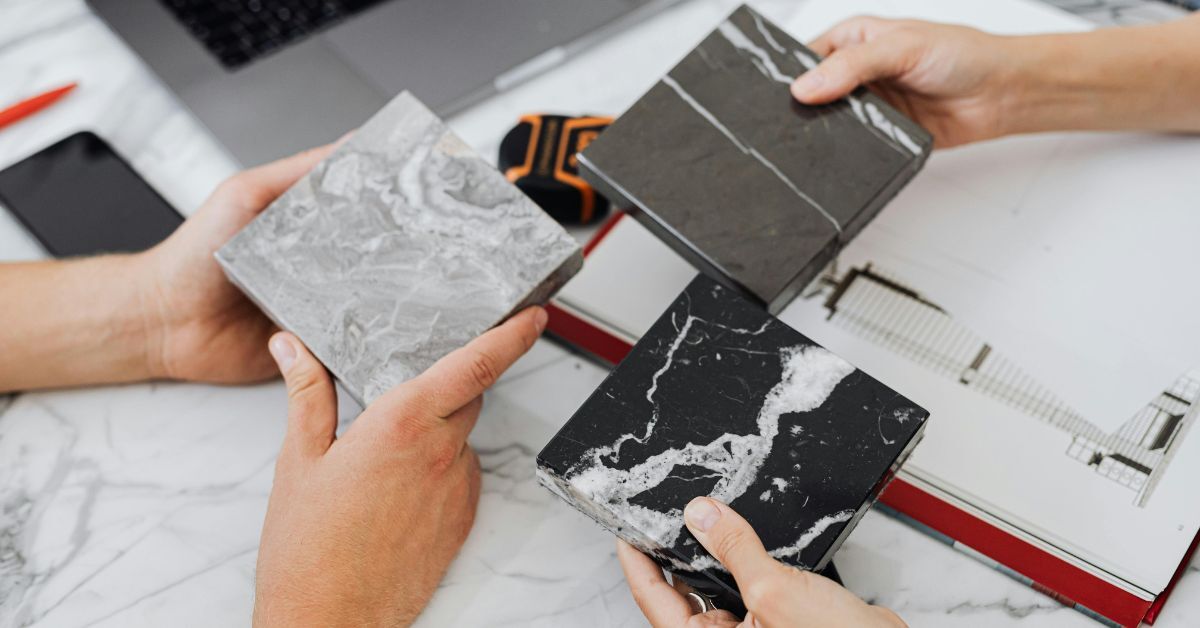
Always order samples before making a final decision. Place them on the floor, hold them against walls, and view them in morning, afternoon, and evening light. Test them next to countertops, paint swatches, wood finishes, and fabrics. Walk around them. Live with them for a day or two.
This simple step can save you from choosing a tile that is too yellow, too cold, too glossy, too busy, or simply not right for your space.
Conclusion
From rustic to modern, tile has the power to shape every room in your dream home. It can add warmth, create serenity, bring character, or deliver clean sophistication. The best choice is not about copying a trend or choosing the most expensive option. It is about finding the right balance between beauty and practicality, personality and longevity, texture and tone.
Start with the style of your home. Consider how each room functions. Explore materials carefully. Choose tiles by color to set the right mood. Pay attention to size, layout, grout, and lighting. Most of all, trust the feeling you want to create.