
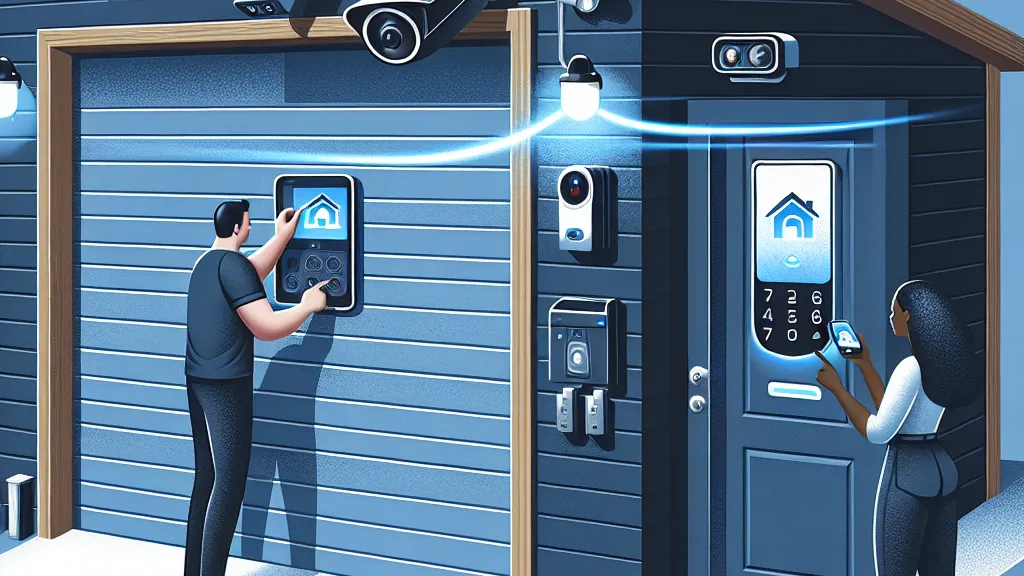
Ensuring the safety and security of your home is a top priority for any homeowner. While we often focus on securing main entry points like front doors and windows, the garage is frequently overlooked, making it a prime target for burglars. A comprehensive garage security system is not just about protecting your vehicles and tools; it’s about safeguarding a significant entry point into your home and, ultimately, your family’s sense of security.
This article will guide you through the essential components and considerations for building a robust garage security system that helps you feel truly safe.
Why Your Garage is a Critical Security Vulnerability
The garage is often considered the weakest link in a home’s security chain for several compelling reasons:
- Easy Access: Many garages have standard overhead doors that can be relatively easy to compromise, along with side doors that might lack robust locking mechanisms.
- Valuable Contents: Garages typically house expensive cars, motorcycles, bikes, power tools, lawn equipment, and sports gear – all attractive targets for thieves.
- Direct Entry to Home: A connected garage often has a direct access door into your main living space, providing burglars with a discreet and protected entry point once they’re inside the garage.
- Lax Security Habits: Homeowners sometimes leave garage doors open, or key fobs inside unlocked cars in the driveway, creating effortless opportunities for criminals.
- Concealment: Once inside a garage, a burglar is often out of sight from neighbors and passersby, giving them ample time to work.
Addressing these vulnerabilities with a dedicated garage security system is paramount for comprehensive home protection.
Core Components of a Robust Garage Security System
A truly effective garage security system combines physical deterrents with advanced electronic monitoring and smart technology.
1. Physical Security Enhancements
Before investing in electronics, fortify the physical structure.
- Reinforced Garage Doors:
- Material Strength: Opt for strong materials like steel or reinforced wood.
- Impact Resistance: Consider insulated doors, which are tougher to breach than single-panel, uninsulated ones.
- Vertical Bracing: Reinforce the garage door panels to prevent “prying” or “fishing” attacks (where a wire is used to snag the emergency release).
- Strong Entry Doors and Locks:
- The door connecting your garage to your home should be as secure as your front door. Install a solid-core door with a heavy-duty deadbolt that has a throw bolt of at least one inch.
- For external garage entry doors (like a side door), ensure similar robust construction and high-security locks.
- Window Security:
- If your garage has windows, obscure them with frosting film or curtains to prevent potential intruders from seeing valuables inside.
- Install window bars or security film that makes glass shatter-resistant.
- Use locking latches on all garage windows.
- Overhead Door Locks: Beyond the opener’s internal lock, consider manual garage door locks, such as side bolts or a floor lock, especially if you’re going on an extended vacation.
2. Electronic Monitoring & Alarms
These systems detect unauthorized entry and alert you and/or authorities.
- Door and Window Sensors:
- Overhead Garage Door Sensor: This crucial sensor detects when your main garage door is opened or tampered with. Look for tilt sensors or magnetic contact sensors.
- Side Door/Entry Door Sensors: Magnetic contact sensors on any side doors into the garage will trigger an alarm if the door is opened.
- Window Sensors: Similar to side door sensors, these alert you if garage windows are opened.
- Motion Sensors:
- Passive Infrared (PIR) Sensors: Detect body heat and movement within the garage.
- Microwave Sensors: Emit microwave energy and detect changes in the reflected pattern. Less prone to false alarms from temperature changes.
- Dual-Tech Sensors: Combine PIR and microwave technology to reduce false alarms. Position them strategically to cover all entry points and valuable areas.
- Glass Break Sensors: These acoustic sensors listen for the specific frequency of breaking glass, providing an early warning if a window is smashed.
- Siren/Audible Alarm: A loud siren (100+ dB) inside and/or outside the garage can disorient intruders and alert neighbors, often scaring off burglars before they can take anything.
- Integration with Home Security System: Ideally, your garage security components should seamlessly integrate with your main home security system, allowing central monitoring and control.
3. Surveillance Systems (Security Cameras)
Visual deterrence and evidence collection are invaluable.
- IP Cameras (Wired/Wireless):
- Placement: Install cameras both inside the garage and covering exterior entry points. Consider covering the driveway and the main garage door.
- Features to Look For:
- High Resolution (1080p minimum, 4K preferred): For clear identification.
- Night Vision: Infrared (IR) LEDs for visibility in low light or complete darkness.
- Motion Detection: Triggers recording and alerts when activity is detected.
- Two-Way Audio: Allows you to speak to someone in the garage and hear their response (useful for deliveries or confronting intruders).
- Cloud or Local Storage: For storing footage.
- Weather Resistance (for exterior cameras): Rated for outdoor use.
- Smart Analytics: Some advanced cameras offer person detection, vehicle detection, and even facial recognition.
4. Smart Garage Technology
Leverage smart home tech for enhanced control and awareness.
- Smart Garage Door Openers/Controllers:
- Remote Access: Control your garage door from anywhere via a smartphone app.
- Alerts: Receive notifications if the door is left open or opened unexpectedly.
- Schedules: Set the door to close automatically at a certain time.
- Virtual Keys: Grant temporary access to visitors or service providers.
- Smart Lighting:
- Motion-Activated Lights: Exterior lights that deter intruders.
- Scheduled Lighting: Make it appear someone is home even when you’re away.
- Integration: Link lights with motion sensors or camera triggers.
- Smart Home Hub Integration: Connect all your smart garage devices to a central hub (e.g., Apple HomeKit, Google Home, Amazon Alexa, SmartThings) for unified control and automation.
5. Access Control
Managing who enters and when.
- Keypads: Wireless keypads outside the garage allow entry with a code, eliminating the need for remotes that can be lost or stolen.
- Remote Controls: Keep remotes secure, never leaving them in plain sight in vehicles. Consider a remote that attaches to your keychain.
- Biometric Readers (Less Common): Fingerprint scanners can offer a high level of security but are less typical for garage entry points.
DIY vs. Professional Installation
Deciding between a DIY (Do-It-Yourself) approach and professional installation depends on your comfort level, budget, and desired complexity.
| Feature | DIY Installation | Professional Installation |
|---|---|---|
| Cost | Generally lower initial cost | Higher upfront cost, often with monthly monitoring fees |
| Complexity | Best for simple systems, may require technical savvy | Handles complex wiring, integration, and advanced setups |
| Integration | Can be challenging to integrate disparate systems | Seamless integration of all components |
| Maintenance | Your responsibility | Often includes maintenance and repair services |
| Monitoring | Self-monitoring via app alerts | 24/7 professional monitoring by a central station |
| Expertise | Relies on your research and technical skills | Benefits from experienced technicians and security consultants |
| Warranty/Support | Varies by individual product warranty | Comprehensive system warranty and ongoing support |
For comprehensive security and ultimate peace of mind, especially with complex integrated systems or if you desire 24/7 monitoring, professional installation is often the superior choice.
Key Features to Look For in a Garage Security System
When evaluating options, prioritize these features:
- Reliability: Look for systems with battery backup in case of power outages and tamper detection to prevent disabling.
- Integration: Ensure components can communicate with each other and, ideally, with your existing smart home or home security system.
- Remote Access & Alerts: The ability to monitor, control, and receive instant notifications on your smartphone is crucial.
- Scalability: Choose a system that allows you to easily add more sensors, cameras, or smart devices as your needs evolve.
- Professional Monitoring (Optional but Recommended): For the highest level of security, consider a system linked to a professional monitoring service that dispatches emergency services when an alarm is triggered.
Tips for Enhancing Garage Security (Beyond Systems)
Complement your security system with good habits and common-sense measures:
- Keep Garage Doors Closed: This is the simplest yet most effective deterrent. Never leave your garage door open, even for a short time.
- Secure Garage Door Remotes: Don’t leave remotes in plain sight in your car, especially if your car is parked outside. Consider keeping them in your house.
- Obscure Windows: Prevent prying eyes from seeing your valuables.
- Secure Tools and Ladders: Don’t leave tools lying around that could be used to break into your home. Lock up ladders.
- Good Exterior Lighting: Bright, motion-activated lighting around your garage and driveway deters nighttime intruders.
- Landscaping: Trim bushes and trees that could provide cover for burglars near windows or doors.
- Neighborhood Watch: Engage with your neighbors and local community watch programs.
The Peace of Mind You Deserve

Investing in a robust garage security system is an investment in your home’s safety and your family’s peace of mind. By securing this often-vulnerable entry point, you not only protect valuable assets but also create a formidable barrier against intruders, significantly enhancing the overall security of your entire property. Take the time to assess your garage’s specific vulnerabilities and choose a system that gives you the confidence and security you deserve.