
30 seconds summary
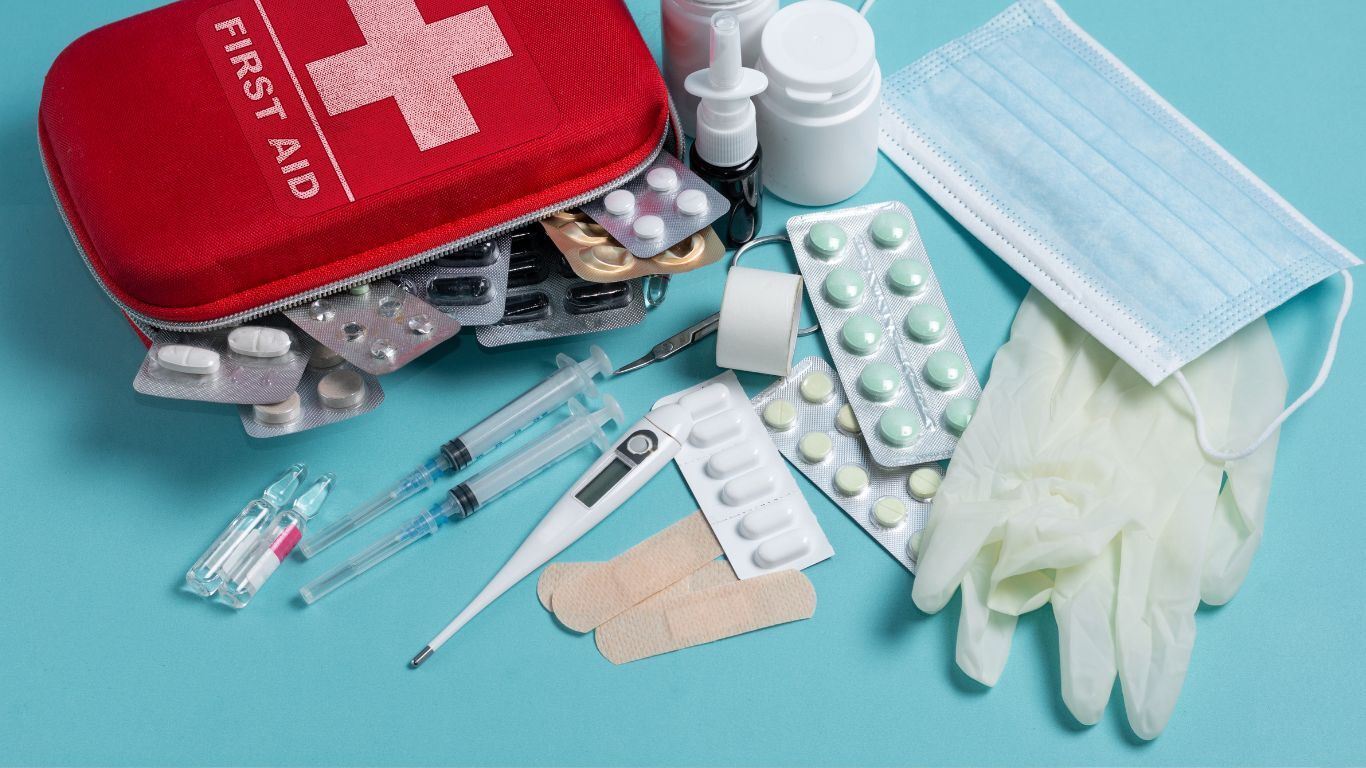
- A healthy home first aid kit helps you handle minor injuries and illnesses quickly.
- It should include bandages, gauze, antiseptic wipes, antibiotic ointment, pain relievers, a thermometer, tweezers, scissors, cold packs, allergy medicine, and emergency contact information.
- Keep it organized, check expiry dates, and store it safely.
A healthy home is not only a clean and comfortable place to live, but also a place where small emergencies can be handled quickly and safely. Cuts, burns, headaches, allergies, muscle aches, and minor injuries can happen at any time. Having a well-prepared first aid kit at home helps you respond calmly instead of rushing around looking for supplies. A good first aid kit does not need to be complicated, but it should contain the right essential items for common household health needs.
Adhesive Bandages
Adhesive bandages are one of the most important items in any home first aid kit. They are useful for covering small cuts, scrapes, blisters, and minor wounds. A covered wound is better protected from dirt, bacteria, and further irritation. Keeping different sizes of bandages is helpful because injuries can happen on fingers, knees, elbows, or other areas of the body.
Choose bandages that are comfortable, flexible, and easy to apply. Waterproof bandages are also useful for hands and fingers because these areas often get wet during washing or cooking. For children, colorful or fun bandages can make minor injuries feel less scary. Always clean the wound before applying a bandage, and replace the bandage daily or whenever it becomes dirty or wet.
Sterile Gauze Pads and Medical Tape
Sterile gauze pads are needed for larger cuts or wounds that cannot be covered properly with a small adhesive bandage. Gauze helps absorb blood and protects the injured area while it begins to heal. Medical tape is used to hold gauze in place without putting too much pressure on the wound.
It is best to keep different sizes of gauze pads in your first aid kit. Small pads are useful for minor wounds, while larger pads can cover bigger scrapes or injuries. Make sure the gauze remains sealed in its package until needed so it stays sterile. If bleeding does not stop after steady pressure, professional medical help should be sought.
Antiseptic Wipes or Solution
Before covering a wound, it is important to clean it properly. Antiseptic wipes or antiseptic solution help reduce germs around minor cuts and scrapes. These items are especially useful when soap and water are not immediately available.
Antiseptic wipes are easy to store and simple to use. They are good for cleaning the skin around a wound, but they should be used gently. Harsh scrubbing can irritate the skin and slow healing. For deep wounds, animal bites, or wounds with dirt that cannot be removed, medical attention is important.
Antibiotic Ointment
Antibiotic ointment can help protect minor cuts, scrapes, and burns from infection. After cleaning the wound, a thin layer of ointment may be applied before covering it with a bandage or gauze. This keeps the area moist and protected while healing begins.
Only a small amount is needed. Using too much ointment can make bandages slippery and messy. It is also important to check for allergies, as some people may react to certain ingredients. If redness, swelling, warmth, pus, or increasing pain develops, the wound should be checked by a healthcare professional.
Pain Relievers and Fever Medicine
Pain relievers are useful for headaches, toothaches, fever, body aches, and minor injuries. Common home options may include acetaminophen or ibuprofen, depending on what is suitable for your household. These medicines can help reduce discomfort and make recovery easier.
Always read the label carefully and follow the correct dose. Children need age-appropriate medicine, and adult medicine should not be given to them unless advised by a healthcare provider. Keep medicines in their original packaging so instructions and expiration dates are easy to check. Your first aid kit may also include muscle pain medicine for sprains, strains, or sore muscles, but it should be used according to directions.
Digital Thermometer
A digital thermometer is essential for checking body temperature during illness. Fever can be an important sign of infection or another health problem. Having a thermometer at home helps you decide whether rest, fluids, medicine, or medical advice may be needed.
Digital thermometers are quick, easy to read, and safer than old glass mercury thermometers. Clean the thermometer before and after use according to the instructions. Families with children may want a thermometer that works orally, under the arm, or on the forehead. Keep extra batteries nearby if your thermometer requires them.
Tweezers
Tweezers are small but very useful. They can help remove splinters, small pieces of glass, thorns, or ticks from the skin. A clean pair of tweezers can make these minor problems easier to handle at home. Before using tweezers, clean them with alcohol wipes or antiseptic solution. Pull splinters out gently in the same direction they entered the skin. If something is deeply embedded, painful, or difficult to remove, it is better to get medical help rather than causing more injury.
Scissors
A pair of clean, sharp medical scissors is another important first aid kit item. Scissors can be used to cut gauze, tape, clothing around an injury, or bandages to the right size. In an emergency, having scissors nearby saves time. Choose scissors with rounded tips if possible, especially for a family kit. This makes them safer to use near skin. Keep them clean and store them only in the first aid kit so they are easy to find when needed.
Cold Pack
A cold pack is useful for swelling, bruises, sprains, minor bumps, and muscle injuries. Applying cold to an injured area can help reduce swelling and discomfort. Instant cold packs are especially helpful because they do not need a freezer and can be activated when needed.
Wrap the cold pack in a cloth before placing it on the skin. Direct contact with ice or a cold pack can damage the skin. Use it for short periods, such as 15 to 20 minutes at a time. If pain or swelling is severe, or if movement is difficult, medical care may be needed.
Allergy Medicine and Emergency Information
Allergy medicine can be important for mild allergic reactions, seasonal allergies, insect bites, or skin irritation. Antihistamines may help with itching, sneezing, or mild swelling. However, severe allergic reactions, such as trouble breathing, swelling of the face or throat, or dizziness, require emergency medical help immediately.
Your first aid kit should also include important emergency information. Write down emergency phone numbers, doctor contacts, allergy details, medical conditions, and current medicines for family members. This information can be very helpful during stressful situations.
Keeping Your First Aid Kit Safe and Ready
A first aid kit is only useful if it is organized and up to date. Store it in a dry, cool place where adults can reach it quickly, but young children cannot access medicines or sharp items. Check the kit every few months and replace expired medicines, used supplies, damaged packaging, or missing items.
It is also helpful to teach responsible family members where the kit is located and how to use basic supplies. A first aid kit does not replace professional medical care, but it can help manage minor problems safely until further help is needed.
Conclusion
A healthy home first aid kit should include adhesive bandages, sterile gauze, medical tape, antiseptic wipes, antibiotic ointment, pain relievers, a thermometer, tweezers, scissors, cold packs, allergy medicine, and emergency information. These essentials prepare your household for common injuries and illnesses. With the right supplies and regular maintenance, your home becomes safer, more organized, and better prepared for everyday health situations.