
Building or renovating a home is one of those rare chances to get everything “just right.” Floor plans, finishes, lighting design, and smart features often steal the spotlight—but the electrical system is what makes your dream home feel effortless every single day. And within that system, switches and control panels are the parts you actually touch, see, and rely on constantly. They’re the handshake between you and your home: the click that turns on the lights, the panel that keeps circuits safe, the controls that quietly manage comfort and energy use.
This guide walks you through how to select switches and control panels that fit your lifestyle, aesthetics, safety needs, and future plans—whether you’re aiming for a minimalist modern home, a cozy traditional space, or a smart-home showcase.
1) Start With a “Lifestyle Map” of Your Home
Before you shop for a single switch, think about how you live. The best electrical choices are rarely about picking a pretty faceplate; they’re about designing control points that match real routines.
Ask yourself:
- Where do you enter and exit most often?
- Which rooms need multiple lighting “moods” (bright task lighting vs. soft evening lighting)?
- Where do you want hands-free convenience (motion sensors, smart controls)?
- Which appliances or systems need dedicated circuits (HVAC, ovens, EV chargers, workshop tools)?
- Do you expect future upgrades (solar, battery storage, additional floors, new rooms)?
Make a quick list per room: lighting needs, outlets, special devices, and control preferences. This prevents the common regret of “we should have added a switch here” or “why is the panel already full?”
2) Understand the Switch Types You’ll Actually Use
Switches look simple, but the options multiply fast. You want the right type for each function, plus a consistent style across the home.
A) Standard On/Off Switches
These are still the backbone of most homes. Modern versions come in:
- Toggle (classic up/down lever)
- Rocker/paddle (flat style, easier to use with elbows or full hands)
Rocker switches are especially popular because they look clean and are typically easier for children and older adults.
B) Two-Way / Three-Way Switching (Multi-Location Control)
For hallways, staircases, large living rooms, and bedrooms with multiple entries, you’ll want multi-location switching so you can control the same light from two or more points.
- Two-way/three-way wiring enables control from two locations.
- Four-way setups allow control from three or more locations.
A well-designed home uses these generously: nothing feels more “luxury” than never walking through a dark corridor to reach the only switch.
C) Dimmers
Dimmers create atmosphere and can reduce energy use when paired with compatible bulbs. But compatibility matters.
Key tips:
- Confirm your lights are dimmable (especially LED fixtures).
- Match the dimmer type to the load (LED, incandescent, halogen).
- Choose dimmers with soft-start and flicker-free performance where possible.
A dimmer in the dining room or master bedroom is often the easiest “upgrade” that makes a house feel more premium.
D) Fan Controls and Speed Controllers
Ceiling fans shouldn’t share a standard light dimmer unless designed for that purpose. Fan motors need dedicated fan speed controls or smart fan controllers compatible with the fan type (AC vs DC motor).
E) Timer Switches
Timer switches are great for:
- Bathroom exhaust fans
- Outdoor lights
- Staircase or corridor lights
- Water heaters (in some setups)
They prevent wasted power and reduce wear from running devices longer than needed.
F) Motion Sensor Switches
Ideal for:
- Entryways
- Laundry rooms
- Garages
- Powder rooms
- Walk-in closets
Choose adjustable settings (sensitivity, timer duration, ambient light detection). Motion sensors that turn lights on during the day can get annoying unless they have good daylight sensing.
G) Smart Switches
Smart switches and smart dimmers can be game-changers remote control, schedules, voice assistants, automation scenes, and energy tracking. But they require planning.
Smart switch checklist:
- Do you have a neutral wire in the switch box? Many smart switches require it.
- Which ecosystem will you use (e.g., local control vs cloud-based)?
- Do you want physical control to always work, even if Wi-Fi fails?
- Will you use smart bulbs? If yes, avoid controlling them with standard switches that cut power, unless using special smart setups.
In many homes, a hybrid approach works best: smart control in key zones (living room, main lighting, outdoor/security) and reliable standard switches elsewhere.
3) Plan Switch Placement Like a Pro
Placement impacts comfort more than most people realize.
General best practices:
- Put switches at every main room entrance.
- Add a second control point for rooms with multiple entryways.
- Place bedside switches so you can control main lights without getting up.
- Put bathroom fan and light controls within easy reach, but safely away from splash zones.
- For outdoor areas, add switches near the main exit door and consider weatherproof options.
Consider “scenes” rather than single lights:
Instead of a chaotic cluster of switches, plan grouped controls:
- “Kitchen Task Lights”
- “Kitchen Ambient”
- “Living Room Scene”
- “Outdoor Patio”
This makes everyday use simple, and it’s easier to automate later.
Some homeowners also include labeled zones or a small diagram inside the electrical panel door so anyone can understand what controls what.
4) Style Matters: Design Consistency and Finish Choices
Switches and faceplates are part of interior design. In a thoughtfully designed home, the electrical hardware matches the mood of the space.
Common finish directions:
- Matte white or matte black for minimalist modern interiors
- Brushed metal for contemporary and industrial looks
- Classic white with subtle contours for traditional homes
- Wood or premium plates for feature walls (use sparingly for a high-end touch)
Keep it consistent:
Choose one main style for most of the home. Use specialty plates only where they enhance the design (like a feature wall in the living room).
Also consider:
- Screwless faceplates for a clean, modern finish
- Backlit switches for hallways or night-time navigation
- Large rocker paddles for accessibility and comfort
5) Electrical Ratings, Loads, and Safety: Non-Negotiables
A switch is not just a switch. Every device has a rating, and it must match the load it controls. This is essential for safety and long-term reliability.
Look for:
- Proper voltage rating (commonly 110–120V or 220–240V depending on region)
- Current rating (often 10A, 16A, or 20A for residential applications)
- Compatibility with motor loads (fans), resistive loads (heaters), and LED driver loads (modern lighting)
Cheap or mismatched components can overheat, arc, or fail prematurely. In a dream home, you want the electrical system to feel invisible—safe, stable, and dependable.
Protective devices you should consider:
- MCB (Miniature Circuit Breaker): Protects against overload and short circuits.
- RCD/RCCB (Residual Current Device): Protects against electric shock by detecting leakage currents.
- RCBO: Combines MCB and RCD functions in one unit (often preferred for dedicated circuits).
- Surge Protection Device (SPD): Protects sensitive electronics from voltage spikes (especially valuable where power quality is inconsistent or lightning risk is higher).
If your home will include smart devices, home offices, or expensive appliances, surge protection becomes more important.
6) Control Panels: The Heart of Your Home’s Electrical System
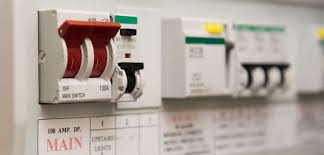
The control panel (often called a distribution board or breaker panel) is where power is distributed safely across different circuits. It’s also where you’ll troubleshoot issues or isolate power for maintenance.
A) Size It for Today and Tomorrow
One of the biggest mistakes is installing a panel that’s “just enough.” You want spare capacity—because upgrades happen.
Plan for:
- Extra circuits for future rooms or renovations
- A dedicated line for a home office or server/network equipment
- Kitchen appliance circuits (microwave, oven, dishwasher, fridge)
- HVAC circuits
- Outdoor lighting and garden systems
- EV charger (even if you don’t own an EV yet)
- Solar inverter and battery storage (if planned)
A good rule: aim for meaningful expansion space rather than filling every slot on day one.
B) Circuit Organization and Labeling
A dream home shouldn’t have mystery breakers. Your electrician should label circuits clearly:
- “Master Bedroom Lights”
- “Kitchen Sockets”
- “Living Room AC”
- “Outdoor Lights”
Good labeling saves time and reduces risk during repairs.
C) Quality of Breakers and Busbars
Control panels vary widely in build quality. Better panels have:
- Stronger enclosures
- Reliable breaker mechanisms
- Better heat management
- Neater cable routing options
- Higher durability under repeated switching
Heat is a hidden enemy in panels; better construction and proper installation reduce hotspots and improve lifespan.
D) Safety Features Worth Adding
- Main isolator switch: Allows you to shut down the entire home quickly.
- RCD/RCBO protection: Especially for bathrooms, kitchens, outdoor circuits, and laundry areas.
- SPD (surge protection): Helps protect electronics, appliances, and smart systems.
- Separate sub-panels: For large homes or separate wings, workshops, or guest houses, sub-panels simplify wiring and troubleshooting.
7) Smart Control Panels and Home Automation: Choose Wisely
Smart homes are exciting, but reliability should come first. When selecting smart controls, focus on systems that remain usable even if the internet goes down.
A) The “Hybrid Control” Philosophy
A practical approach is:
- Use smart controls for high-impact areas (main lighting zones, security lighting, outdoor, living spaces)
- Use standard high-quality switches in low-impact zones (storage rooms, utility areas)
- Ensure every smart system still has a physical override
In other words, automation should add convenience, not create dependency.
B) Scenes, Schedules, and Energy Monitoring
If you love automation, plan for:
- “Morning” scene (soft lights, kitchen brightness)
- “Movie time” scene (dimmed lights, accent lighting)
- “Away mode” (randomized lights, outdoor security)
- “Night mode” (corridor night lights, lower intensity)
Some smart systems also track usage patterns, helping you reduce wasted energy.
And yes—you can incorporate control switches in your design so critical systems like pumps, outdoor lights, or garage circuits can be safely controlled and isolated when needed.
8) Room-by-Room Recommendations
Here’s a practical map of what often works best.
Living Room
- Dimmers for main lighting
- Multi-location switching if multiple entrances
- Optional smart scene controls
- Separate switches for accent lighting (lamps, wall washers, ceiling coves)
Kitchen
- Separate controls for task lighting and ambient lighting
- Dedicated circuits for high-load appliances
- Under-cabinet lighting switches (or smart automation)
- Easy-to-clean switch plates (kitchens get messy)
Bedrooms
- Bedside switching for main lights
- Dimmers for comfort
- Optional smart controls for schedules (wake-up lighting)
Bathrooms
- Timer switch for exhaust fan
- RCD/RCBO protection for wet-area circuits
- Motion sensor for guest/powder room convenience
- Consider night light or low-level pathway lighting
Hallways and Staircases
- Multi-location switching at both ends
- Motion sensors in low-traffic or utility corridors
- Soft night lighting for safety
Outdoor Areas
- Weatherproof switches and enclosures
- Timers or smart scheduling for exterior lights
- Dedicated circuits for garden equipment or pumps
- Consider photocell sensors for dusk-to-dawn lighting
Garage / Workshop
- Heavy-duty switches for tools
- Separate circuits for power tools and lighting
- Clear labeling for safety shutoff
- Optional smart monitoring for doors and security lights
9) Quality, Brand Strategy, and Budgeting
It’s tempting to treat switches as a small detail, but the “touch points” in your home shape daily experience. Cheap switches can feel loose, discolor over time, and fail sooner—especially under high usage.
Where to invest:
- High-use areas (kitchen, living room, main corridors)
- Dimmers and fan controls (performance matters)
- Control panel components (breakers, RCD/RCBO, SPD)
Where you can keep it simple:
- Low-use storage rooms
- Utility areas (still safe and rated correctly, but no need for premium finishes)
A balanced plan gives you a premium feel without overspending on every single plate.
10) Work With Your Electrician Like a Designer
Even the best products can underperform with poor installation. Share your lifestyle map and lighting plan early. Ask your electrician about:
- Neutral wire availability for smart switches
- Correct sizing for circuits and breakers
- Proper earthing/grounding
- Surge protection
- Panel capacity for future loads
- Clean labeling and documentation
If you’re renovating, also consider:
- Upgrading old wiring where needed
- Adding conduits for future cables (data, solar, security)
- Planning a structured wiring cabinet for networking
11) Common Mistakes to Avoid
- Buying switches before planning lighting zones
You end up with awkward layouts and missing controls. - Ignoring LED dimmer compatibility
This causes flicker, buzzing, or limited dimming range. - Under-sizing the control panel
Future upgrades become expensive and messy. - Not adding enough multi-location switching
Daily inconvenience adds up fast. - Poor labeling and circuit organization
Troubleshooting becomes stressful and risky. - Over-automating without physical fallback
A smart home should still be functional when networks fail.
12) Final Checklist for Selecting the Perfect Switches and Control Panels
Before you finalize purchases, run through this list:
- ✅ Switch types match the loads (LED, fan, heater, motor)
- ✅ Dimmers are compatible with your lighting fixtures
- ✅ Multi-location switches planned for stairs, corridors, large rooms
- ✅ Placement supports real routines (bedside, entrances, exits)
- ✅ Style and finish consistent with interior design
- ✅ Panel has spare capacity for future expansion
- ✅ RCD/RCBO protection used in wet/outdoor areas
- ✅ Surge protection included if you have sensitive electronics
- ✅ Circuits are clearly labeled and logically grouped
- ✅ Smart components chosen for reliability and offline usability
Closing Thought: Make It Feel Effortless
The best electrical design is the one you don’t think about because it works exactly how you expect. Lights turn on where your hand naturally reaches. Hallways never feel awkward. Bedrooms feel calm. Outdoor spaces feel secure. Your breaker panel is organized, safe, and ready for upgrades. That’s what wiring a dream home really means: translating everyday habits into a system that quietly supports you for decades.
If you approach switches and control panels with the same care you give your floors, cabinetry, and lighting fixtures, you’ll end up with a home that doesn’t just look beautiful—it lives beautifully.