
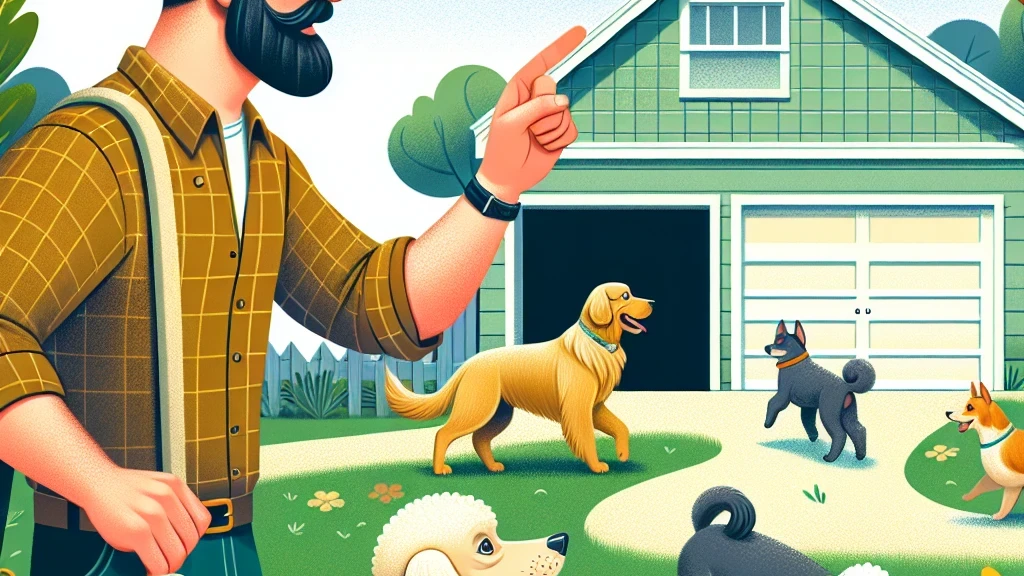
Are you tired of playing doorman to your furry best friend, constantly opening and closing doors for potty breaks or outdoor adventures? A well-chosen and properly installed dog door can revolutionize your pet’s independence and your daily routine, especially when it comes to granting them access to your garage or backyard. Let’s dive into everything you need to know to make the best choice for your canine companion and your home.
The Freedom of a Dog Door: Why It’s Worth It
Imagine your dog being able to step outside for a potty break whenever nature calls, or simply heading out to sunbathe in the yard without needing your intervention. Dog doors offer incredible benefits for both pets and their parents:
- Increased Independence for Your Dog: They can access their outdoor space at will, reducing anxiety and preventing accidents inside.
- Convenience for You: No more interrupted meetings, late-night dashes, or rushed mornings. Your dog manages their own outdoor schedule.
- Easier Potty Training: Consistency is key, and a dog door makes it easier for puppies and older dogs alike to establish good habits.
- Reduced Stress: Less pacing at the door means a calmer, happier dog.
- Improved Exercise & Mental Stimulation: Access to the yard means more opportunities to play and explore.
First Things First: Key Considerations Before You Choose
Before you start browsing different models, take a moment to assess your specific needs and situation.
1. Your Dog’s Size & Temperament
This is paramount. A door too small can injure your dog; one too large can compromise security and insulation.
- Size: Measure your dog’s shoulder height and widest point (chest/hips) to ensure they can comfortably pass through without scraping. Add a few inches for comfort.
- Temperament: Is your dog calm and gentle, or a barrel of energy? This can influence flap material and durability. Is your dog prone to chewing?
- Training Level: Consider how easily your dog adapts to new things. Some doors require a bit more training.
2. Climate & Insulation Needs
Your geographic location and typical weather patterns play a huge role.
- Cold Climates: Look for well-insulated flaps (double or triple flaps) to prevent heat loss. Magnetic seals are crucial.
- Hot Climates: Insulation still matters to keep AC in. UV-resistant flaps can prevent cracking.
- Wind & Rain: Strong seals and durable, weather-resistant materials are essential.
3. Security & Safety
This is often the biggest concern for homeowners.
- Garage Security: If your garage is attached to your home, a dog door into the garage then to the outside needs robust locking mechanisms.
- Outdoor Security: The door provides direct access to your yard. Ensure it has a sturdy locking cover or bar for when you’re away or at night.
- Pet Safety: Consider potential hazards in the garage (tools, chemicals) if your dog will be spending unsupervised time there.
4. Installation Location: Garage Wall vs. Garage Human Door
- Garage Wall: Provides direct access from the garage to the backyard, bypassing the need for your dog to come into the main house. Requires cutting into a wall, which can be more involved but offers a dedicated passage.
- Garage Human Door: If your garage has a pedestrian door leading directly to the backyard, installing a dog door into that door can be simpler than a wall installation.
- Main House Wall/Door: If you want your dog to access the yard directly from the house, the considerations change slightly (e.g., aesthetics, interior insulation).
5. Your Home’s Aesthetics
While functionality is key, you might also care about how the door looks. Some doors are designed to be discreet, while others are more utilitarian.
Exploring Your Options: Types of Dog Doors
The market offers a wide range of dog doors, each with its own advantages.
1. Wall-Mounted Dog Doors
- Description: These doors are installed directly through an exterior or interior wall (e.g., from your garage wall to the backyard). They typically consist of a tunnel that extends through the wall and two flap openings (one inside, one outside).
- Pros:
- Highly customizable placement.
- Excellent insulation options (often double or triple flaps).
- Ideal for thick walls.
- No impact on human door functionality.
- Cons:
- More complex installation (often requires professional help).
- Can involve cutting through siding, drywall, and structural elements.
- More expensive upfront.
- Best For: Garages where a human door isn’t suitable, direct access from an interior room to the yard, or very thick walls.
2. Human Door-Mounted Dog Doors
- Description: These are installed directly into an existing pedestrian door (e.g., the side door of your garage, or a back door from your house).
- Pros:
- Relatively simpler and quicker DIY installation.
- More affordable than wall mounts.
- Many models available.
- Cons:
- Permanently alters your human door.
- Less ideal for highly insulated doors, as it creates a potential thermal bridge.
- Can affect the structural integrity of a hollow-core door.
- Best For: Existing garage doors leading to the yard, or utility doors where aesthetics aren’t a primary concern.
3. Sliding Glass Panel Dog Doors
- Description: These are inserts that fit into the track of a sliding glass patio door. They typically feature a rigid panel with a dog door opening at the bottom.
- Pros:
- No permanent alteration to your home.
- Easy to install and remove.
- Good for renters or temporary solutions.
- Cons:
- Reduces the opening width of your sliding door.
- Can be less secure than other options.
- Insulation can be a challenge.
- Not suitable for garage walls/doors.
- Best For: Direct access from a house to a backyard via a patio door. Less relevant for garage specific entry.
4. Electronic & Smart Dog Doors
- Description: These high-tech doors only open for your pet, usually via a collar key (RFID or magnetic) or microchip reader. Some even offer app control and timers.
- Pros:
- Superior security: prevents stray animals or wildlife from entering.
- Control: some allow you to set curfews or specific access times.
- Excellent insulation (often tightly sealed when closed).
- Cons:
- Most expensive option.
- Requires batteries or power source.
- Dogs need to wear a specific collar tag.
- Best For: Homeowners prioritizing maximum security and control, especially for direct backyard access from the house or an attached garage.
Choosing the Right Size Dog Door
Getting the size right is absolutely critical for your dog’s comfort and safety.
- Measure Your Dog’s Shoulder Height: Have your dog stand naturally. Measure from the top of their shoulders to the ground. Add at least 1-2 inches to this measurement for the minimum height of the flap opening.
- Measure Your Dog’s Widest Point: Use a flexible measuring tape to find the widest part of your dog (usually their chest or hips). Add at least 1-2 inches to this measurement for the minimum width of the flap opening.
- Consider Step-Over Height: The bottom of the flap should ideally be no higher than your dog’s elbow to ensure easy passage, especially for puppies or senior dogs. For garage installations where a small step up might be unavoidable, ensure it’s not too high.
General Sizing Guide (Always double-check with product specifications!):
| Dog Size Category | Dog Weight (Approx.) | Flap Opening Width (Approx.) | Flap Opening Height (Approx.) |
|---|---|---|---|
| Small | Up to 25 lbs | 6-8 inches | 8-10 inches |
| Medium | 26-50 lbs | 8-10 inches | 12-16 inches |
| Large | 51-90 lbs | 10-12 inches | 18-22 inches |
| Extra Large | 91+ lbs | 12-15 inches | 24-28 inches |
Installation Insights: DIY vs. Professional
DIY Installation:
- Feasible For: Door-mounted dog doors, sliding glass panel inserts. If you’re handy with tools and comfortable with basic carpentry, a wall mount might be DIYable, but proceed with caution.
- Tools Needed: Jigsaw, drill, tape measure, level, screwdriver, caulk gun, safety glasses.
- Preparation: Read the instructions thoroughly. Mark your cut lines precisely.
- Considerations: Be aware of electrical wiring, plumbing, or structural studs within walls. Always scan the wall first.
Professional Installation:
- Recommended For: Wall-mounted dog doors, especially through complex exterior walls, or if you’re not confident in your DIY skills.
- Benefits: Ensures proper sealing, structural integrity, and often includes a warranty. Avoids costly mistakes.
- Who to Call: Handymen, general contractors, or specialized pet door installers.
Training Your Dog to Use It: Once installed, your dog might be hesitant.
- Lure with Treats: Use high-value treats to encourage them to pass through.
- Prop It Open: Temporarily prop the flap open to remove the initial barrier.
- Positive Reinforcement: Shower them with praise and treats every time they use it successfully.
- Patience: Some dogs learn quickly; others take time. Never force them.
Security & Maintenance: Keeping Your Home and Dog Safe
- Locking Mechanisms: Most dog doors come with a security cover or slide-in panel. Use it at night, when you’re away on vacation, or if you want to restrict access. For garage entries, ensure this lock is robust.
- Flap Durability: Inspect the flap regularly for cracks, tears, or lost magnets. Worn flaps compromise insulation and security. Replacement flaps are usually available.
- Cleaning: Keep the flap and surrounding area clean. Dirt and grime can prevent proper sealing.
- Weatherstripping: Check the weatherstripping around the door frame periodically, especially for door-mounted units.
Making the Final Decision
Choosing the right dog door is a balance of your dog’s needs, your home’s structure, and your lifestyle. Prioritize safety, insulation, and the correct size. Whether you opt for a simple door-mounted solution for your garage or a high-tech smart door for direct backyard access, you’re investing in your dog’s happiness and your peace of mind.
With careful consideration and proper installation, your dog will soon be enjoying the freedom of their own personal entry to their favorite outdoor space!